
Last updated August 27, 2026
Free in-home measure and quote - PGT, CGI and CWS impact lines compared on your actual openings, style by style
Sliding glass doors
Impact garage doorsPGTCGI
 Before
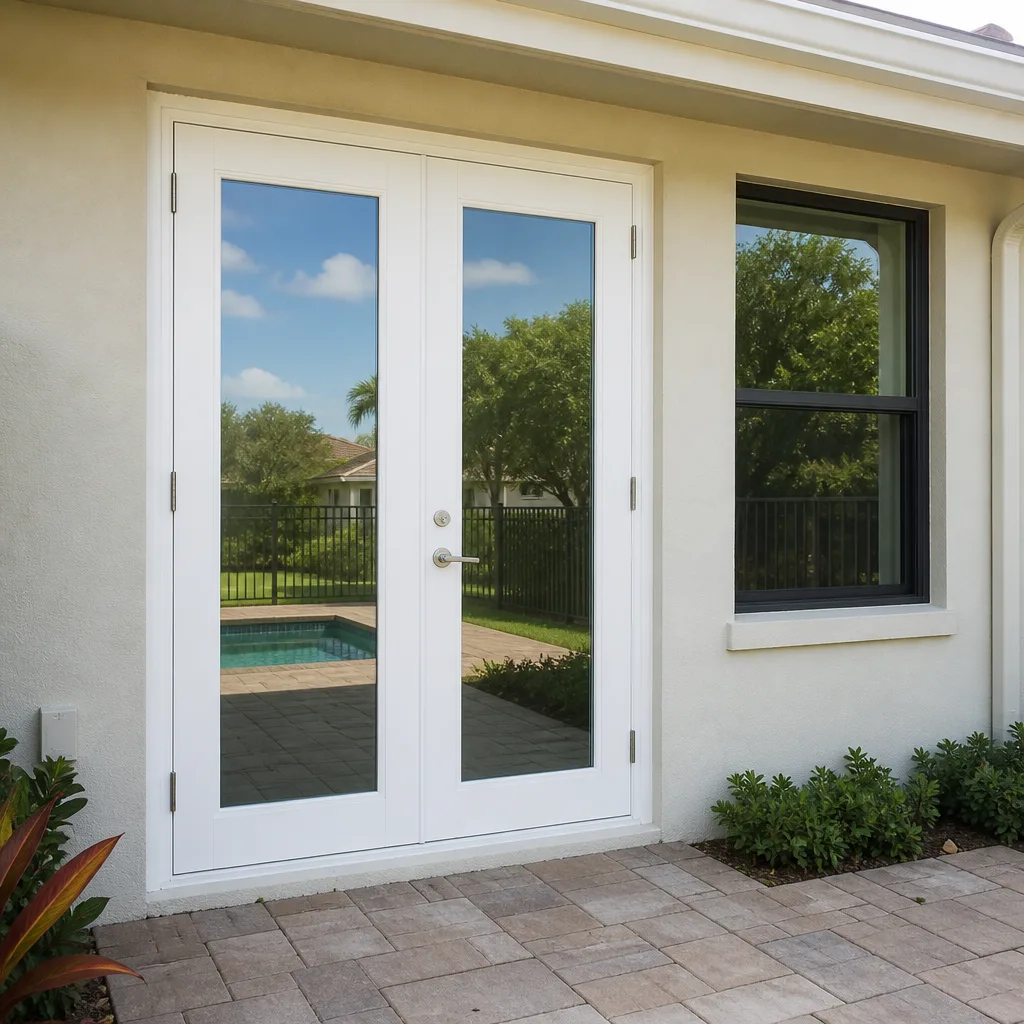 After
After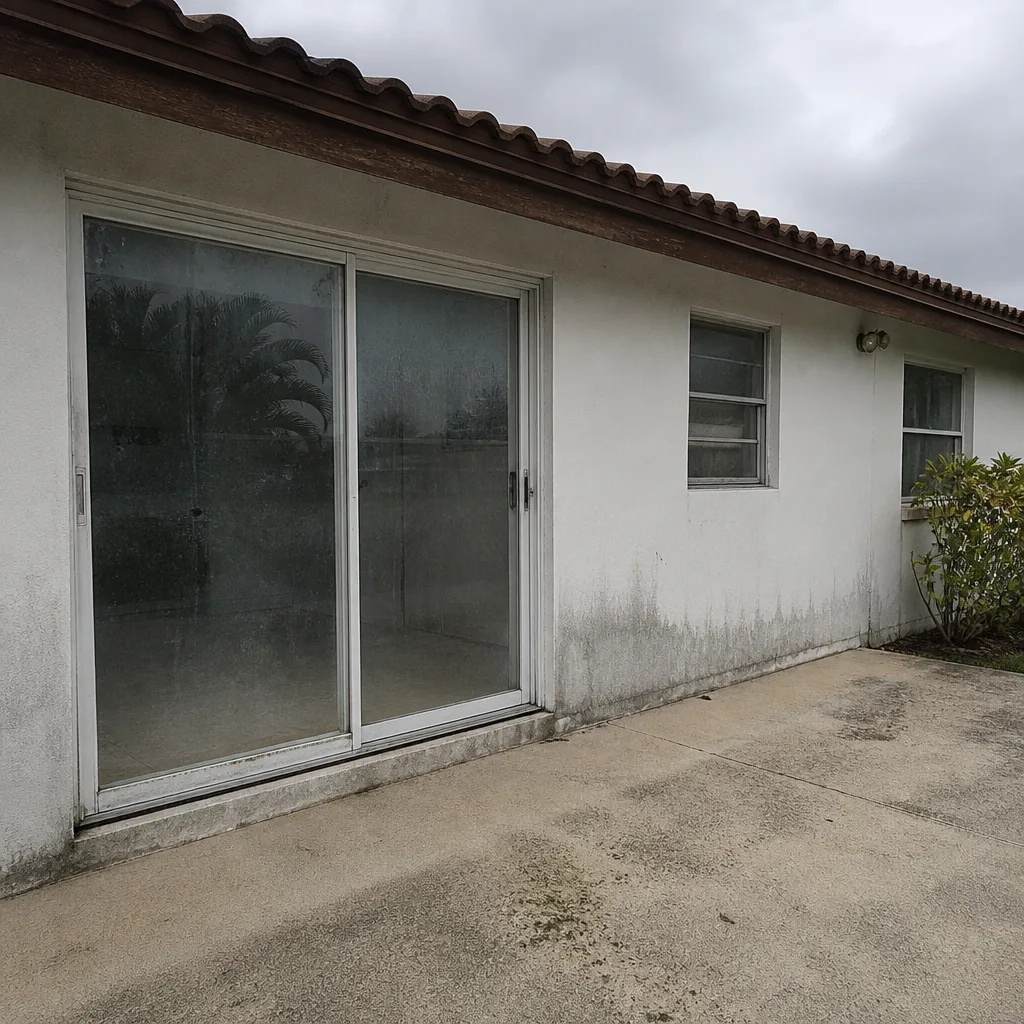 Before
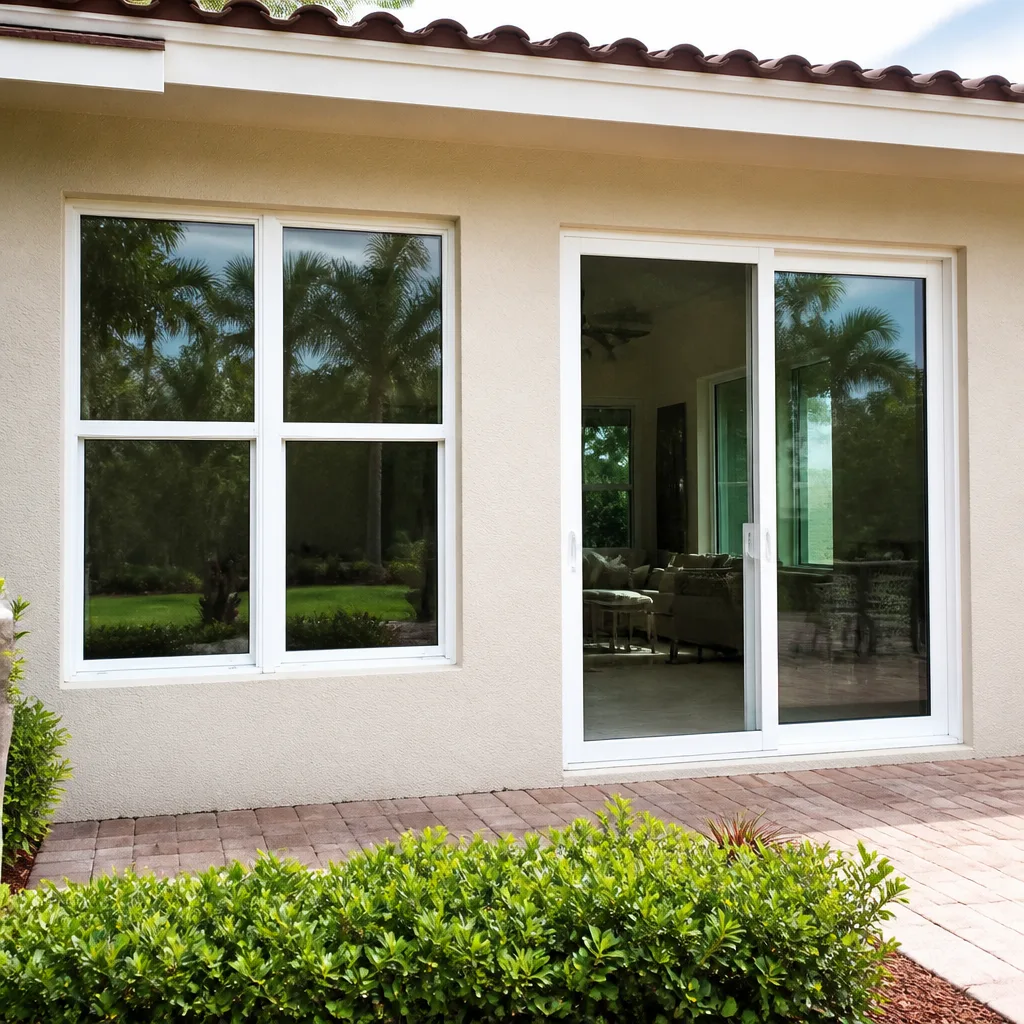 After
After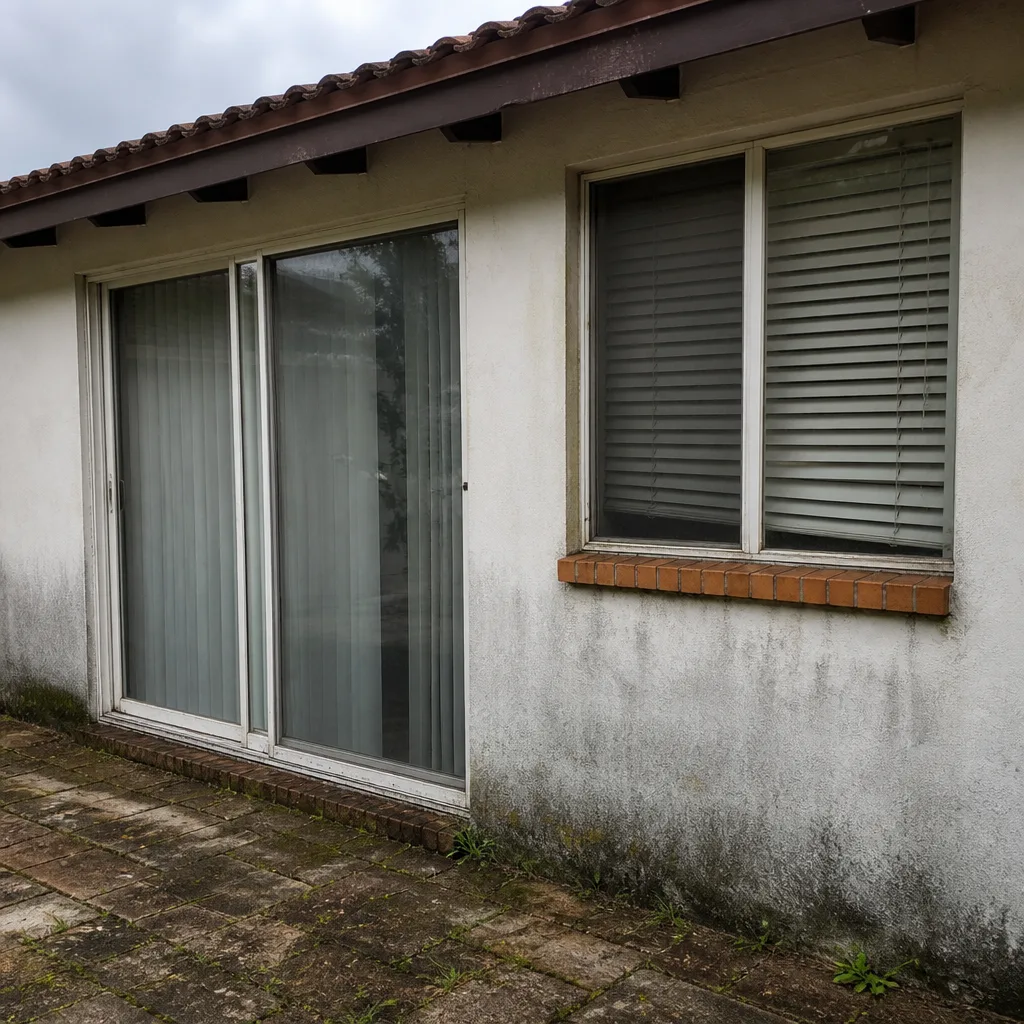 Before
 After
AfterWindow Installation Maintenance Checklist for Royal Palm Beach Homeowners
Most window failures in Royal Palm Beach don’t start with a crack. They start with a seal that quietly lets go, a weep hole packed with sand from a summer storm, or a track that’s been grinding against salt air for eleven months without attention. By the time the glass fogs or the sash sticks, the repair bill has usually doubled. What follows is a maintenance routine built for this specific climate, not a generic list copied from a national website. You’ll learn what to check monthly, what to service seasonally, and when a problem is beyond a homeowner’s reach. This is the checklist we wish every homeowner south of Okeechobee Boulevard kept on the fridge.
Quick Answer
A window maintenance checklist for Royal Palm Beach homeowners should cover monthly track cleaning, seasonal glass and seal inspection, weep hole clearing before storm season, weatherstripping checks twice a year, and annual latch and lock lubrication. In this climate, salt air and hurricane-driven rain make seal inspection and drainage maintenance the two highest priorities. Most problems that turn into $800 repairs start as $15 maintenance items caught in time.
Table of Contents
- Monthly Checks That Take Ten Minutes
- Seasonal Maintenance for South Florida’s Climate
- Understanding Window Seals and Why They Fail in Royal Palm Beach
- Track and Hardware Care for Coastal Humidity
- Storm Season Preparation for Windows and Doors
- Energy Efficiency and What It Means for Your Electric Bill
- Common Mistakes to Avoid
- When to Call a Professional
- Frequently Asked Questions
- The Bottom Line
Monthly Checks That Take Ten Minutes
Set aside ten minutes on the first Saturday of the month. Walk the house, room by room, and run through this list. It’s not glamorous work, but it’s the difference between a window that lasts fifteen years and one that needs replacement at seven. In Royal Palm Beach, the biggest monthly threats are blown sand, salt film, and humidity that works its way into every track and hinge.
Here’s the monthly routine we recommend, in order:
- Open every window halfway and close it again. This takes about thirty seconds per unit. You’re checking for resistance, grinding, or a sash that sits crooked when closed. If a window suddenly requires two hands where it used to need one, address it now, not after the track scores itself.
- Wipe down all visible glass with a dry microfiber cloth. You’re not cleaning for looks yet. You’re checking for moisture between the panes, which signals a failed seal. Fog that wipes away is condensation on the surface. Fog that stays put is between the glass and means the insulating gas has escaped.
- Clear obvious debris from exterior sills and tracks. Royal Palm Beach gets wind-blown sand from the coast and leaf litter from mature oaks in neighborhoods like La Mancha and The Willows. Debris blocks weep holes and traps water against the frame.
- Check for soft spots around interior trim. Press gently with a fingertip along the bottom corners of the frame and the sill. Soft drywall or trim means water has been getting in and sitting, often from a clogged weep system or a deteriorated seal at the rough opening.
- Look for new cracks or chips in the glass. South Florida’s daily temperature swings are modest, but impact events are not. A small chip from a weed whacker can spider into a full crack over a single summer as the frame expands and contracts.
None of these steps requires a tool or a ladder for first-floor windows. The point is consistency, not intensity. A window problem that’s six months old is always more expensive than one that’s six days old, and in our experience serving Royal Palm Beach since 2008, most homeowners simply never look until the window stops working.
Seasonal Maintenance for South Florida’s Climate
Royal Palm Beach doesn’t have four seasons in the traditional sense. What it has is a wet season from May through October and a dry season from November through April. Each one puts different stress on window assemblies, and each one calls for a specific service routine. We’ve serviced windows in every pocket of the village, from the older homes off Royal Palm Beach Boulevard to the newer construction near Southern Boulevard, and the seasonal pattern is consistent.
Dry season (November through April) is the service window. Humidity drops, rain becomes less frequent, and temperatures are mild. This is the time for any work that requires sealants, adhesives, or paint to cure properly. Run this checklist every November:
- Inspect all exterior caulk and sealant beads for cracks, shrinkage, or separation from the frame. Sealant that pulls away from stucco or aluminum lets rainwater into the rough opening, and by the time you see damage inside, the framing behind the window is already wet.
- Check weatherstripping on every operable window and door. Look for flattening, brittleness, or sections that have come loose from the groove. Weatherstripping that’s compressed doesn’t seal, and a one-sixteenth-inch gap around a double-hung adds up to the equivalent of leaving a small window open year-round.
- Lubricate all moving parts. Use a dry silicone spray on tracks, hinges, rollers, and lock mechanisms. Avoid oil-based lubricants. They collect dust, combine with salt air, and turn into a gritty paste that wears down hardware faster than no lubricant at all.
- Clean weep holes thoroughly. Use a bent paper clip or a small brush to clear each one. Test them by pouring a small amount of water into the track and watching it drain to the exterior. A weep hole that holds water is a flood waiting for a heavy rain.
- Schedule any replacement or repair work. Dry season is when installation conditions are most forgiving, and scheduling in November or December beats the spring rush and the summer storms.
Wet season (May through October) is the monitoring window. Afternoon thunderstorms are a daily event, and a single violent squall can expose a drainage problem that’s been building for months. Every May, before the rains settle in, do this:
- Re-test every window’s drainage by pouring water into the track. If it doesn’t drain in seconds, clear the weep holes again and check for debris trapped inside the frame cavity.
- Check interior surfaces for new staining, bubbling paint, or musty smells near windows. These are all signs that water is getting where it shouldn’t. In humid air, even small leaks can feed mold growth inside wall cavities within weeks.
- Inspect screens for tears and fit. Wet season is bug season, and a torn screen in Royal Palm Beach means mosquitoes in the house every evening.
- Verify that all storm hardware is in good working order. If you have impact windows, check the fasteners. If you have accordion or panel shutters, test their operation now, not when a hurricane watch is posted.
Understanding Window Seals and Why They Fail in Royal Palm Beach
A double-pane or triple-pane window is not just two pieces of glass with air between them. It’s a factory-sealed assembly filled with an insulating gas, typically argon or krypton, and sealed around the perimeter with a flexible spacer that keeps moisture out and gas in. When that seal fails, the window loses most of its insulating value, and condensation begins to form between the panes. In Royal Palm Beach, seal failure is the most common reason homeowners call us for service, and the local climate works against seals in specific ways.
Salt air is a relentless corrosive. Homes in neighborhoods closer to the coast experience more rapid deterioration of the aluminum spacers and outer sealant than homes just a few miles inland. The daily cycle of heat and afternoon rain causes the frame and glass to expand and contract, and each cycle stresses the seal a little more. South-facing windows take the worst of it, absorbing direct sun for most of the day.
Here’s what a failed seal looks like from the inside:
- Persistent fog or condensation between the panes that cannot be wiped away. This may come and go with the weather, but it will keep coming back.
- A milky or hazy film on the interior surface of the outer pane that doesn’t respond to cleaning.
- Visible distortion or a slightly wavy reflection when you look at the glass at an angle.
- Reduced sound insulation. You’ll notice more traffic noise from Royal Palm Beach Boulevard or more lawn equipment noise than you remember.
Once a seal fails, the window cannot be repaired by cleaning or servicing. The glass unit itself must be replaced, which is often less expensive than full window replacement when the frame is still sound. We recommend homeowners contact a qualified glazier for an evaluation rather than trying to live with a fogged window. A failed seal doesn’t just look bad; it means the window is no longer doing the energy efficiency job you paid for when it was installed.
Track and Hardware Care for Coastal Humidity
Sliding windows and sliding glass doors take more abuse in Royal Palm Beach than any other window type. The tracks sit at the bottom of the frame, where gravity carries every bit of sand, salt, and rainwater that enters the assembly. If the tracks aren’t kept clean, the rollers grind, the frame wears, and eventually the window requires serious repair or replacement. This section covers what we’ve learned from servicing thousands of sliding units in the village and surrounding communities.
Cleaning the tracks, in order:
- Vacuum first. Use a shop vac with a crevice tool to remove loose sand and debris from the track channel. This beats wiping, which just pushes grit into the corners and the roller housing.
- Wipe with a damp cloth. Use warm water with a small amount of mild dish soap. Do not use abrasive cleaners, bleach, or anything acidic. These etch the aluminum or vinyl track and create microscopic roughness that collects dirt faster afterward.
- Dry completely. Standing water in a track corrodes rollers and invites salt to sit against metal. Use a dry cloth or let it air dry fully before lubricating.
- Lubricate sparingly with silicone spray. One light pass on each side of the track is enough. Excess lubricant attracts dirt and makes the problem worse.
Locks, latches, and hinges need attention too. Coastal humidity means hardware corrodes faster than it would inland, and most window hardware is made from plated steel rather than stainless. A light coat of silicone or dry graphite once a year keeps everything moving smoothly and prevents the kind of corrosion that eventually snaps a latch off in your hand. If a lock is already stiff or gritty when you operate it, don’t force it. Forcing a corroded lock assembly is how handles get broken off and how lock rods get bent inside the frame. A professional can usually free a stiff lock and restore smooth operation without replacing the entire mechanism.
Storm Season Preparation for Windows and Doors
Atlantic hurricane season runs from June 1 through November 30 each year. For Royal Palm Beach homeowners, that’s not an abstract date on a calendar. It’s a six-month stretch where a single storm can put a branch through a window or drive horizontal rain into every gap in the building envelope. Preparation is not optional, and it’s not something to start in September when a storm is already in the Atlantic.
Impact windows and doors are the most reliable protection available, and many homes in Royal Palm Beach built after the Florida Building Code updates in the early 2000s already have them. That said, impact resistance is not the same as maintenance-free. Impact glass is tested to withstand a specific set of conditions, but the seals, gaskets, and frames around it still need annual attention.
Your pre-season storm checklist should include:
- Test every window and door for smooth operation. If a window doesn’t close and lock easily in June, it won’t be any better in August when you’re under a warning and trying to seal the house.
- Verify that all impact hardware is present and tight. Fasteners that have loosened over a year of expansion and contraction should be snugged down. If you don’t know what to check, this is a good job for a professional inspection.
- Inspect exterior sealant around all openings. Water intrusion during a hurricane is often more damaging than wind alone. Rain driven horizontally finds every gap in the envelope, and a missing bead of caulk at the corner of a window frame is an open invitation.
- Clear the yard of potential missiles. In high winds, anything not tied down becomes a projectile. This includes potted plants, patio furniture, garden tools, and branches that overhang the roofline. Trim trees before the season, not during a watch.
- Know where your emergency shutters or panels are stored. If your home relies on removable protection rather than impact glass, the panels need to be accessible, labeled, and complete with all fasteners. Test-fit them once before the season starts. A panel that’s warped or missing its hardware is useless when a storm is coming.
We recommend homeowners in Royal Palm Beach conduct their storm preparation once in May and once again in early August, when the season typically begins to intensify. The May pass is thorough. The August pass is a quick verification that nothing has changed. It takes less than an hour for most homes and removes the kind of last-minute scrambling that leads to mistakes.
Energy Efficiency and What It Means for Your Electric Bill
Royal Palm Beach homeowners pay some of the highest electric bills in the country during the summer months, and windows are a major factor in that cost. A home’s windows can account for 25 to 30 percent of residential heating and cooling energy use, according to the U.S. Department of Energy, and in a climate where air conditioning runs for nine or ten months of the year, that percentage translates into real money every month.
Low-E coatings matter more in this climate than anywhere in the country. Low-E glass reflects infrared heat away from the interior while still allowing visible light to pass through, and in South Florida, that means the air conditioner doesn’t have to fight as hard against heat radiating through south and west-facing windows. If your windows are more than twenty years old and lack Low-E coatings, you’re paying to cool air that’s being warmed by your own glass.
Frames matter too. Vinyl and fiberglass frames insulate better than aluminum, which conducts heat and cold readily. In Royal Palm Beach, aluminum frames on a west-facing wall can become too hot to comfortably touch on an August afternoon, and that heat radiates into the house continuously. Modern vinyl frames with multi-chamber design and thermal breaks reduce that heat transfer measurably.
The return on investment for energy-efficient window replacement in South Florida is driven by two factors: lower cooling costs and increased home value. Most homeowners never calculate the first with real precision, and that’s a mistake. A rough formula is this: if your annual cooling cost is $2,400 and windows account for a quarter of the cooling load, cutting window heat gain by 40 percent saves roughly $240 per year. Over the fifteen-year lifespan of a quality installation, that’s $3,600, and that figure doesn’t include the comfort improvement or the warranty protection. For a precise estimate of what your home could save, a professional energy audit or window consultation provides real numbers rather than averages.
Common Mistakes to Avoid
- Using harsh chemical cleaners on glass and frames. Ammonia-based cleaners break down Low-E coatings over time, and abrasive cleaners etch glass and vinyl. Use mild dish soap and water, and dry with a cloth that hasn’t been used for anything else.
- Painting over weep holes or caulking them shut. Weep holes exist for a reason. When homeowners paint a stucco exterior and coat the weep hole openings, or when a handyman caulks them to “stop the draft,” water has nowhere to drain and ends up inside the wall.
- Ignoring a sticky window because it still opens. A window that requires effort is telling you something. It might be a bent track, a failing roller, or a swollen frame from moisture. Waiting until it won’t move at all turns a maintenance item into a repair bill.
- Lubricating tracks with WD-40 or household oil. These products aren’t designed for window hardware. They leave an oily residue that collects sand and salt, turning the track into sandpaper. Use dry silicone spray only.
- Assuming impact windows don’t need maintenance. Impact-rated windows are strong against flying debris, but their seals, gaskets, and hardware wear like any other window. An impact window with a failed seal still loses its insulating value and can still let water in around a deteriorated weatherstrip.
- Replacing the whole window when only the glass is fogged. A failed seal requires glass replacement, not necessarily frame replacement. If the frame is square, the track is sound, and the hardware works, a new insulated glass unit can restore the window for a fraction of the cost of full replacement. A reputable glazier will tell you when the frame is worth saving and when it isn’t.
When to Call a Professional
Some maintenance tasks are genuinely homeowner-friendly: cleaning tracks, clearing weep holes, checking weatherstripping, testing locks. Others are not. If you see moisture between panes, a crack that’s spreading, a frame that’s visibly pulling away from the stucco, or water staining on interior walls near a window, stop and make the call. These are not problems that improve with patience, and attempting a DIY fix on a window that’s under tension or improperly supported can turn a $300 repair into a $1,200 replacement. TruePane Windows & Doors offers free estimates in Royal Palm Beach, and a live person answers the phone when you call. We’ll walk through what you’re seeing, tell you what it likely means, and give you an honest assessment of whether the job is worth doing now or worth watching. Contact TruePane Windows & Doors home by calling (386) 251-6745 to schedule your free estimate.
Frequently Asked Questions
Monthly cleaning is ideal in Royal Palm Beach, where wind-blown sand and coastal salt collect in tracks faster than they would inland. A quick vacuum and wipe each month prevents the grit buildup that scores the track and wears down rollers. If you’re within a mile of the coast or your home faces a road with heavy traffic, check twice a month during the dry season when dust is at its worst.
Window repair in Royal Palm Beach typically ranges from $150 for minor track and hardware service to $400 to $900 for insulated glass replacement, depending on window size and glass type. Replacing a full window runs higher, often $600 to $1,400 per opening for standard vinyl, and more for impact-rated or custom sizes. Call (386) 251-6745 for an exact quote on your specific windows, and remember that estimates at TruePane Windows & Doors are always free.
In South Florida’s salt air and humidity, standard aluminum-frame windows often last 15 to 20 years, vinyl windows typically last 20 to 30 years, and high-quality impact windows can last 30 years or more with proper maintenance. Shorter lifespans are common when weep holes get clogged, hardware isn’t lubricated, and seals aren’t inspected. Ask for a copy of the warranty terms in writing before any work begins.
Minor maintenance like track cleaning, weep hole clearing, and hardware lubrication is safe for homeowners to do on impact windows. Repairs involving broken glass, failed seals, or frame damage require specialized training and are best left to a professional. Impact glazing operates under higher tension than standard glass, and an incorrect removal can cause injury.
Yes, window replacement in Royal Palm Beach requires a building permit, and the Florida Building Code sets requirements for impact resistance on exterior openings. Any reputable contractor will pull permits before work begins and schedule the required inspections. If a contractor tells you a permit isn’t necessary, treat that as a red flag. Find a company that handles the permitting process as a standard part of the job.
Yes, impact windows are worth the investment for Royal Palm Beach homeowners because they provide permanent hurricane protection without the annual hassle of installing and removing shutters, and they add measurable resale value in a market where protection is a selling point. They also reduce outside noise, improve energy efficiency, and often qualify for insurance premium discounts. Budget roughly $900 to $1,600 per opening for a quality impact window installed properly.
The Bottom Line
Window maintenance is boring until it isn’t, and in Royal Palm Beach, it stops being boring the day a storm exposes the weakness you ignored for years. Check tracks monthly, inspect seals and drainage before every wet season, and lubricate hardware at least twice a year. Watch for fog between panes, soft spots in trim, and windows that resist when you open them. These are early warnings, and early warnings are inexpensive. TruePane Windows & Doors has been serving Royal Palm Beach homeowners since 2008, and the Done Right Promise means we stand behind the work in writing, not in conversation. If you’re not sure whether your windows need service, call (386) 251-6745 and ask. A real person answers, and a free estimate costs you nothing.
Written by Dale Kessler, Owner at TruePane Windows & Doors, serving Royal Palm Beach since 2008.
Six Reasons Homeowners Choose TruePane Windows & Doors
Impact systems engineered to design pressures up to +/-100, matched to your wind zone - your openings hold when the storm arrives.
Low-E insulated impact glass from our manufacturer lines commonly cuts monthly cooling bills 20-30%.
Laminated impact glass shuts out up to 40% of outside noise - traffic, neighbors, weather.
Monitoring services run $30-90 a month. Laminated impact glass resists forced entry around the clock, with no subscription.
Florida homeowners average around 25% savings on the windstorm portion of their policy after protecting every opening - some homes qualify for more.
A full impact package upgrades curb appeal, buyer confidence and appraised value in one project.