
Last updated August 27, 2026
Free in-home measure and quote - PGT, CGI and CWS impact lines compared on your actual openings, style by style
Sliding glass doors
Impact garage doorsPGTCGI
 Before
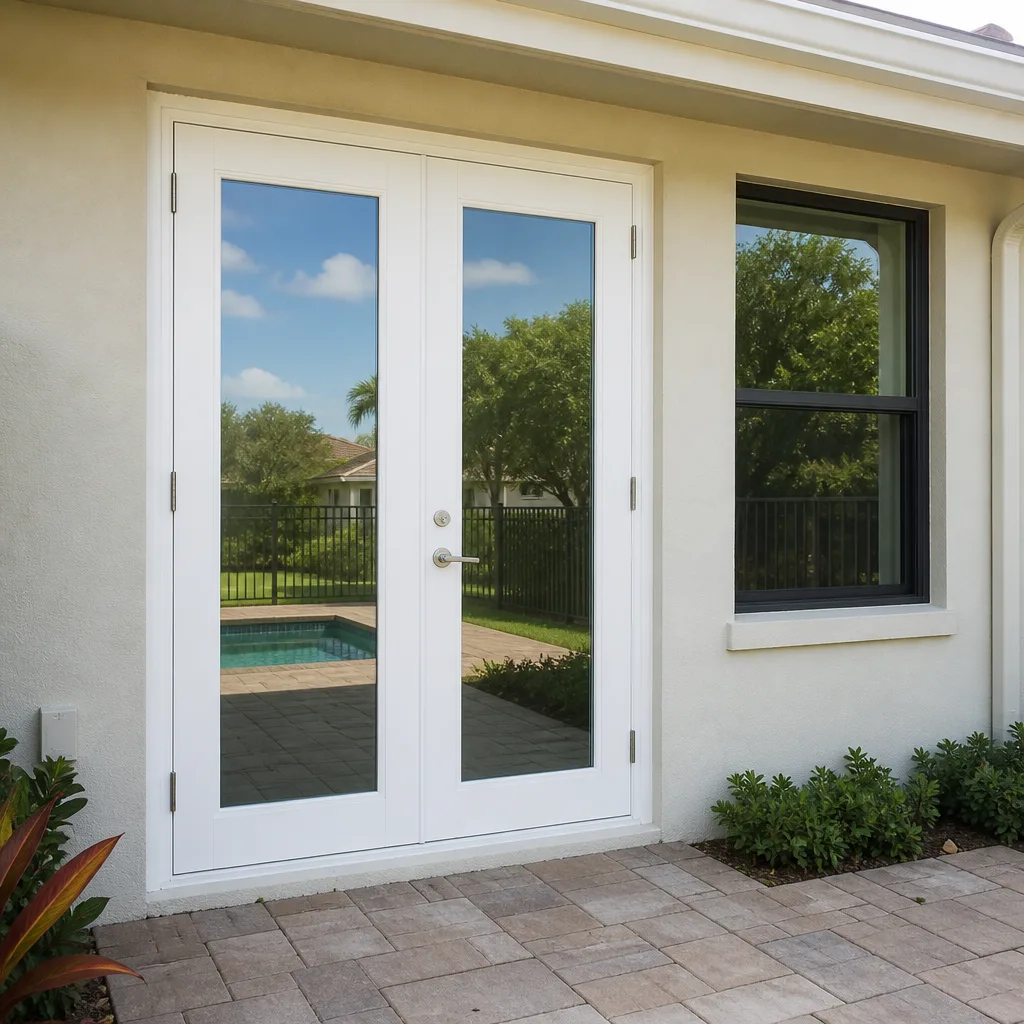 After
After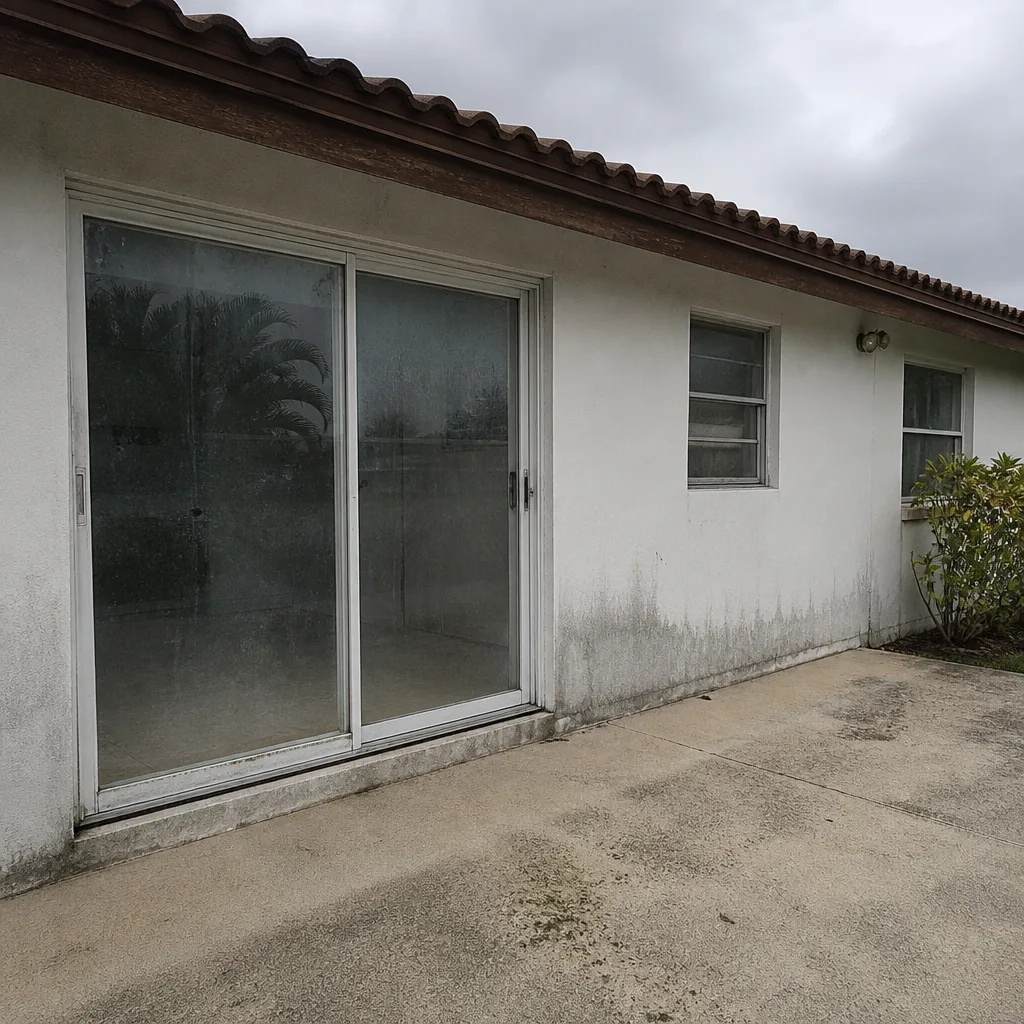 Before
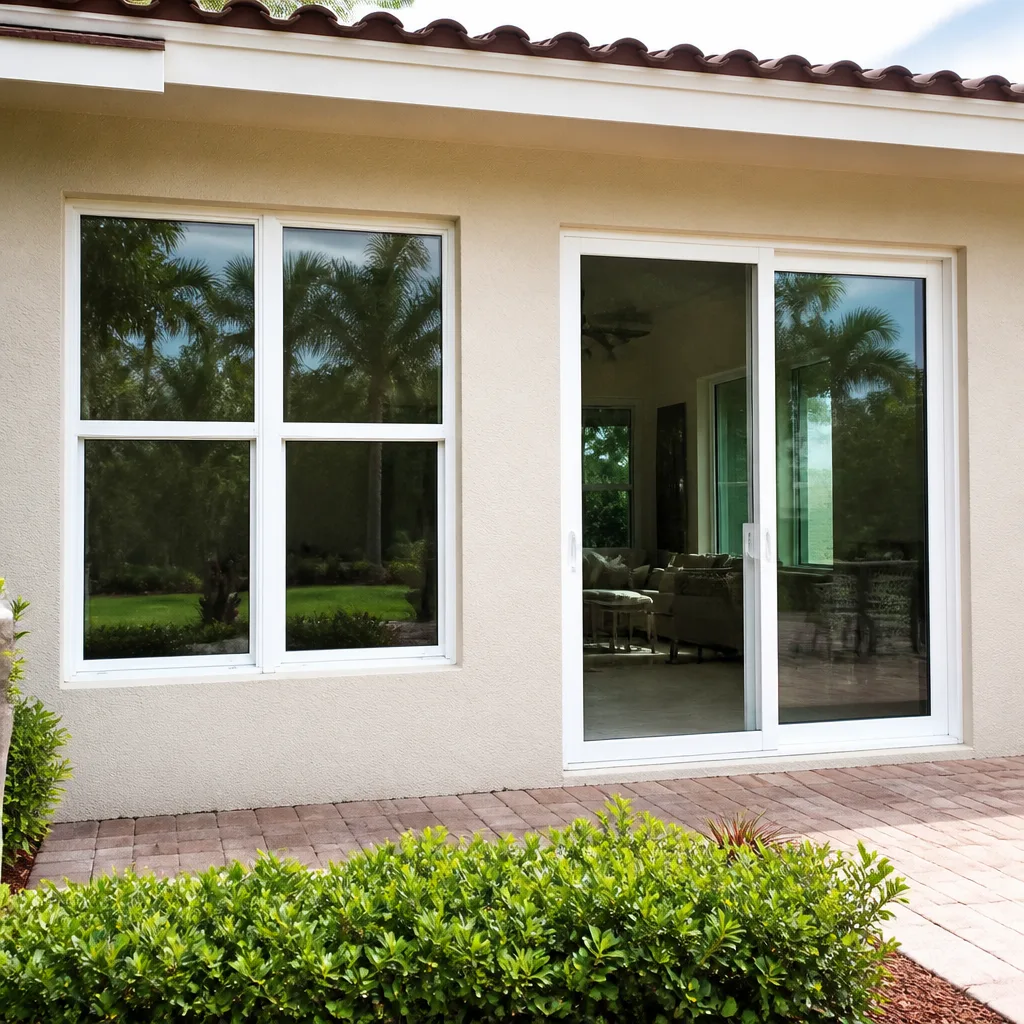 After
After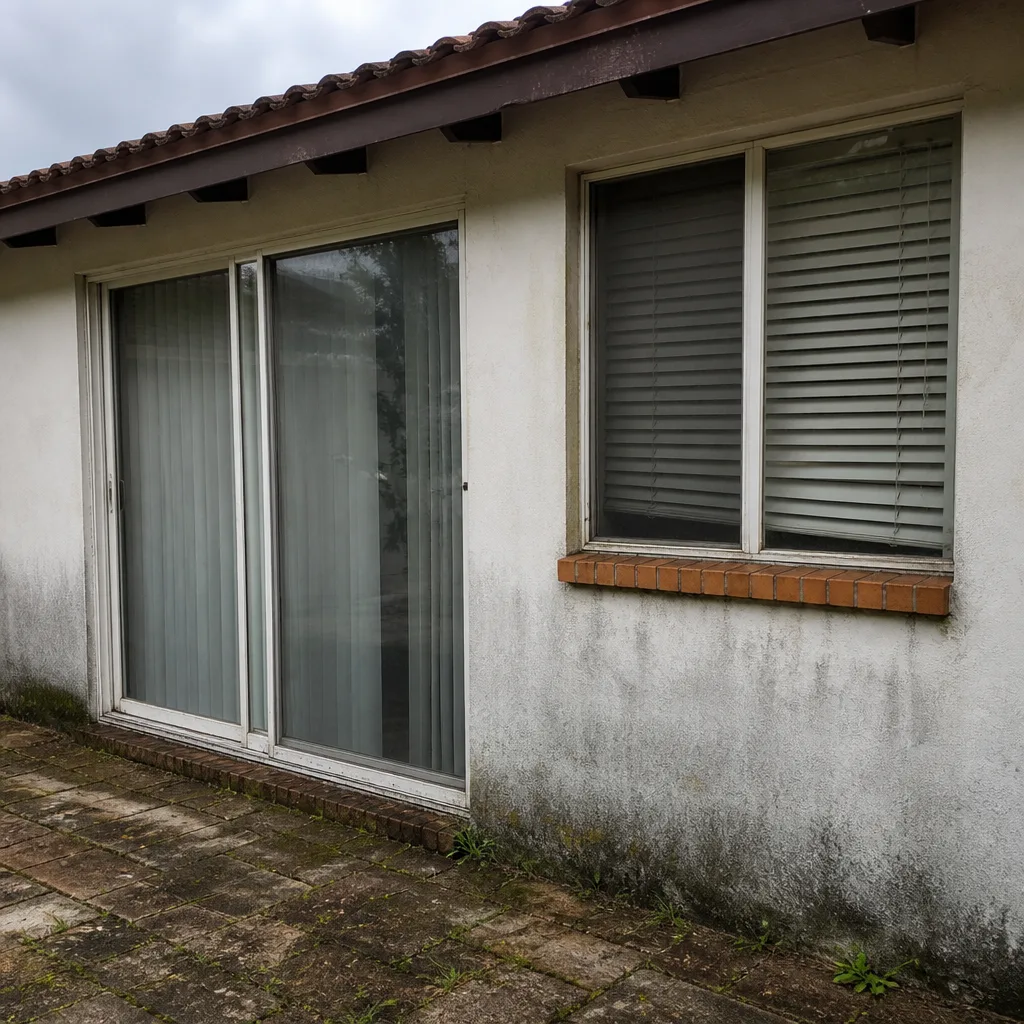 Before
 After
AfterWindows & Doors Warning Signs: A Royal Palm Beach Homeowner’s Reference Guide
Most homeowners in Royal Palm Beach don’t think about their windows and doors until something obvious goes wrong - a crack spiderwebs across the glass, a lock won’t turn, or a sliding door derails and won’t budge. But by the time a problem is that loud, you’re usually paying two or three times what the fix would have cost twelve months earlier. In our experience across more than four decades of glazing work, South Florida homes telegraph trouble early and often. Homeowners who learn to read those signals keep small problems small. This guide lays out the warning signs we look for on every service call in Royal Palm Beach, what each one means, and when it makes sense to repair versus replace. It’s the same checklist Dale Kessler walks through on every estimate, written for the homeowner who plans to be in the house another twenty years.
Quick Answer
The clearest warning signs of failing windows and doors include fogging between glass panes, visible daylight around closed frames, doors that stick or bind seasonally, rising indoor humidity, unexplained drafts, and condensation on the inside of the glass. In Royal Palm Beach specifically, salt air, hurricane-season humidity, and intense UV exposure accelerate seal failure and frame warping faster than homeowners expect. Address these signs early and you’re usually looking at a service call under a few hundred dollars. Ignore them and three years later the conversation becomes full replacement - often five figures or more.
Table of Contents
- Fogged or Cloudy Glass: A Failed Seal Is Already Underway
- Drafts and Daylight Around the Frame: The Gap That Costs Money Daily
- Sticking Doors and Windows: South Florida Humidity’s Slow Work
- Condensation on the Inside: Where Is the Moisture Coming From
- Hardware You Have to Fight: Locks, Hinges, and Rollers
- Impact Glass Warning Signs: When the Protection Is Compromised
- Repair or Replace: The Royal Palm Beach Cost and Logic Check
- Common Mistakes to Avoid
- When to Call a Professional
- Frequently Asked Questions
- The Bottom Line
Fogged or Cloudy Glass: A Failed Seal Is Already Underway
When a double-pane or triple-pane window starts looking hazy from the inside, you’re not looking at dirt. You’re looking at a failed insulated glass unit, often called a blown seal. Modern windows in Royal Palm Beach are built with two or three panes of glass separated by an air gap or gas fill, usually argon or krypton. The spacer that holds those panes apart carries a desiccant - a drying agent - to absorb any moisture that works its way in. When that seal fails, moisture gets trapped inside, the desiccant saturates, and the fog becomes permanent.
Here’s the part most homeowners don’t hear from the big-box estimates: a fogged window isn’t just cosmetic. A failed seal means the glass is no longer insulating the way it was engineered to. Heat transfers through that unit faster, which means your air conditioner works harder when the Royal Palm Beach sun is cooking the west side of the house in August. Energy cost creep is real, even if it’s slow.
In our experience, seal failure in this area runs somewhere around ten to fifteen years for unshaded windows with western exposure. The combination of UV radiation breaking down sealant polymers and thermal cycling - the daily expansion and contraction from heat to air-conditioned cool - wears the materials faster than climates with gentler temperature swings.
One quick check you can do at home: stand a few feet back and look at the glass face-on. If the haze is on the outside surface, it cleans off. If it’s inside, between the panes, the seal has failed. That glass unit needs replacement. The frame itself may still be structurally sound - which is why glass-only replacement is an option worth pricing. You don’t always need a whole new window.
Drafts and Daylight Around the Frame: The Gap That Costs Money Daily
Stand in front of a closed window or door on a bright afternoon and look at the perimeter. If you can see even a sliver of daylight between the sash and the frame, the weatherstripping has failed or the frame has racked out of square. That gap is an open channel for outside air, humidity, and insects.
In Royal Palm Beach, a loose seal around a window frame isn’t just an energy problem - it’s how you get the noise and humidity creep that makes a house feel perpetually damp. Air infiltration around doors and windows can account for a surprisingly large share of a home’s heating and cooling load. The Florida Solar Energy Center has published data showing air leakage reduction can yield double-digit percentage savings on cooling costs in hot-humid climates. We’ve seen homes in the Villages of Royal Palm Beach neighborhood where re-weatherstripping a poorly seated sliding door dropped the indoor humidity noticeably within a week.
Here’s a quick test that costs nothing:
- Close the window or door completely and lock it. Locking compresses the weatherstripping the way it would be during normal use.
- Run your hand slowly around the entire perimeter, about half an inch from the frame. Air movement on your skin is a draft.
- Hold a piece of tissue paper or a dollar bill in front of the suspected gap. Movement means air is passing through.
- Visually inspect the weatherstripping - it should look compressed but springy. Cracks, flatness, or gaps mean it’s dead.
New weatherstripping is one of the cheapest fixes in glazing, but it only works when the frame is still square. If the frame has settled or warped, the weatherstripping will fail again within a season. The real question is whether the underlying frame is sound.
Sticking Doors and Windows: South Florida Humidity’s Slow Work
That wood or wood-clad window that opens fine in January and sticks shut in July isn’t being stubborn - it’s absorbing moisture. South Florida’s rainy season pushes relative humidity into the 80s and 90s for months at a stretch. Wood fibers swell, painted surfaces bind, and frames that were perfectly milled in a dry factory lean into each other.
We see this most often with wood windows in older Royal Palm Beach homes, particularly in the original sections of town where houses date back to the 1970s and 1980s. The symptom is usually seasonal: windows that are hardest to open during the wet months and ease up after a dry spell. That cycle, repeated year after year, wears down hardware and starts racking the sash.
For aluminum and vinyl frames, seasonal sticking is less common, but hardware binding from corrosion is not. Salt-laden air from the Atlantic, a few miles east, accelerates oxidation on hinges, rollers, and locking mechanisms. A sliding door that makes a grinding sound when you move it is often running on corroded rollers inside a track filled with dirt, sand, and debris. Florida grit is relentless.
The takeaway: if a window or door takes more than the effort of one hand to move, it’s communicating. The frame may be salvageable, but the hardware needs attention before the added force damages the sash or the frame itself.
Condensation on the Inside: Where Is the Moisture Coming From
Condensation on the inside surface of a window is one of the most misunderstood signs in Florida homes. People assume the window is defective. Often, the window is simply doing its job too well - the glass is the coldest surface in the room, and humid indoor air is condensing on it exactly like a glass of iced tea on a porch in July.
But here’s what to watch for, because context matters:
- Occasional light condensation in the morning, especially after a humid night with the AC running low, is normal. It clears when the sun hits the glass.
- Persistent condensation that never dries, or beads of water running down the glass and pooling on the sill, points to excessive indoor humidity or a window that has lost its insulating performance.
- Condensation between the panes - not on the surface, but inside the sealed unit - is a failed seal, no exceptions. That’s addressed in the fogged glass section above.
In Royal Palm Beach, the residential comfort zone from the perspective of these materials sits between about 45 and 55 percent relative humidity at 75 degrees. When a home routinely runs above 60 percent, problems collect faster: condensation on glass, corrosion on aluminum frames, and mildew in corners where the air doesn’t move. A dehumidifier or AC airflow correction can solve condensation that has nothing to do with the window. But if every window in the house fogs while one room’s glass stays clear, that’s often a signal about the HVAC system, not the glazing.
Hardware You Have to Fight: Locks, Hinges, and Rollers
South Florida homeowners get a raw deal on door and window hardware. It’s not just wear and tear - it’s corrosion from the same salt air that eats through car finishes and patio furniture, all accelerated by heat and humidity. Hardware that needs frequent adjustment, that takes two hands and a shoulder to operate, or that makes a metallic scrape every time it moves is telling you something specific.
Pay attention to these specific signals:
- Locks that need jiggling or lifting to engage. The frame may have sagged out of alignment. Forcing a misaligned lock is how you bend striker plates and break lock bodies.
- Sliding doors that drag or jump. Rollers are worn, the track is clogged, or both. A door that drags adds stress evenly across the panel, which accelerates frame wear.
- Hinges that creak even after lubrication. Bearings are worn. The weight of the sash is pulling the hinge out of alignment, and the fix after total failure is often more expensive than a roller replacement would have been.
- Crank operators that slip. Gear teeth inside the operator are stripped. Continuing to force the crank will snap it, leaving the window stuck half-open.
One thing we tell Royal Palm Beach homeowners regularly: hardware is the least expensive part of the window and door system, but it’s the part people abuse most. Forced operation never fixes anything. Replacing hardware components early - often a service call in the low hundreds of dollars - routinely saves a full window unit later.
TruePane carries replacement hardware for most major brands, and our technicians measure every opening twice before ordering parts so the truck arrives prepared. That’s the difference between a one-visit repair and a two-week saga waiting on the wrong part. For a full look at what a standard service call covers, see the TruePane Windows & Doors home service breakdown. Our maintenance visit, priced at $89, covers lubrication, track cleaning, roller adjustment, and a hardware inspection on every accessible window and door in the house - the same maintenance a car gets, applied to the openings that hold your home together.
Impact Glass Warning Signs: When the Protection Is Compromised
Impact-rated windows and doors are standard in Royal Palm Beach for good reason. Since Hurricane Andrew in 1992, Florida building codes have continually tightened requirements for wind-borne debris protection in high-velocity hurricane zones, and Palm Beach County sits squarely inside that designation. Impact glass doesn’t prevent hurricane damage - it prevents a single flying object from turning a house into a pressure bomb by keeping the envelope sealed.
What homeowners need to watch for is quieter damage, the kind that comes from living on the coast year-round:
- Haze at the edges of the laminated layer. Impact glass is made with a plastic interlayer sandwiched between glass panes. When it starts to delaminate, the edges cloud and then the cloudy area spreads inward.
- Chips or stars in the outer pane even if no crack runs through. An impact window that’s taken a hit may still be intact but structurally compromised. The next hit - maybe years later - becomes the one that splits it.
- Frames that no longer seat flush. Impact systems depend on the frame staying anchored. Once the frame shifts, the structural system isn’t performing as designed, even if the glass looks perfect.
- Stiff-locking hardware on impact doors. Many impact doors use multi-point locking systems - three or more bolts that throw simultaneously. When these bind, you’re fighting the design, not just a worn lock.
Impact-rated products from manufacturers like Andersen, Pella, and ECO Window Systems carry substantial structural warranties, but that coverage assumes correct installation. Both manufacturer warranty layers need to be registered in writing for the full coverage term to apply. When we install or replace impact glass in Royal Palm Beach, part of our job is registering those warranties before the truck leaves the driveway. We stand behind it with the Keystone Standard - if we installed it, the paperwork is done. Our Done Right Promise covers the workmanship for the first three months after any install.
Repair or Replace: The Royal Palm Beach Cost and Logic Check
The repair-versus-replace question is where homeowners either save thousands or spend thousands unnecessarily. Here’s the plain logic we walk through with customers in Royal Palm Beach every week.
In our market, common service costs run roughly in these bands:
- Re-weatherstripping a standard window: $60-$180 per window, depending on the size and material.
- Sliding door roller replacement: $120-$300, including cleaning and realigning the track.
- Replacing a failed insulated glass unit: $180-$420 per pane, depending on size, coating, and gas fill.
- Replacing a complete window unit: $500-$1,800 per window, depending on material, impact rating, brand, and size.
- Full-home window replacement: $10,000-$35,000 for an average Royal Palm Beach single-family home.
The repair side almost always wins when the frame is sound, the glass is intact, and the issue is hardware, weatherstripping, or a failed seal in an otherwise good unit. The replace side wins when the frame is warped, rotted (wood), or so corroded that new components won’t seat properly. A square deal on the repair side often buys a window ten more years of service life.
Here’s the decision sequence we use:
- Inspect the frame. If the frame is straight, dry, and solid, proceed to step two. If it’s soft, corroded through, or visibly racked, replacement is the honest answer.
- Identify the failing component. Seal, glass, hardware, or weatherstripping? Most failures are component-level.
- Price the component repair against 15 percent of replacement cost. If the repair is under that line and the frame is sound, repair pencils out financially in nearly every case.
- Factor in energy performance. Single-pane windows in Royal Palms Beach leak energy at a rate that justified replacement even before they wear out. If the home still has single-pane glass, the energy payoff of replacement is a separate and real calculation.
- Get both numbers on paper. Any reputable contractor should be willing to quote repair and replacement side by side. You should see exactly what each path costs and what each covers.
Impact-rated products from manufacturers like ViewLux fill a growing share of the replacement market in Palm Beach County, and they’re worth understanding if you’re in the replace camp. The upfront cost is higher, but the combination of storm protection, energy efficiency, and the permanent nature of the installation - impact glass doesn’t need shuttering, ever - makes it the default choice for homeowners who plan to be in their homes through the next decade of hurricane seasons.
Common Mistakes to Avoid
- Ignoring a fogged window because “it still works.” A failed seal is not a cosmetic issue. It’s a loss of insulation, and ignoring it means paying higher cooling costs every month until the problem is addressed. Royal Palm Beach summers turn that math against you fast.
- Forcing a stuck window or door. Muscle is not a maintenance strategy. Forced operation bends frames, strips locks, and turns a $200 hardware repair into a $900 frame replacement.
- Buying “builder-grade” replacements from a warehouse without checking warranty terms. Many discount window lines carry limited warranties that last five years or less. In South Florida’s climate, five years is about when low-end windows start failing. Ask to see the warranty terms in writing.
- Hiring an installer who doesn’t register the warranty. Manufacturer warranties often require registration within a defined window after installation. Miss that and the warranty on an otherwise good product can be void. A real installer registers the warranty before leaving the job.
- Replacing windows based on a door-to-door sales pitch. In Royal Palm Beach, you’ll occasionally find solicitors claiming “neighborhood discounts” after a storm season. Solid glazing companies don’t need to knock on doors. If someone’s selling hard on a one-day-only price, slow down and get a second opinion.
- Putting off a maintenance visit because nothing is visibly broken. The best time to catch a failing roller or corroding hinge is before it fails completely. Maintenance is the least expensive window and door service there is, and it prevents almost everything else on this list.
- Assuming impact glass never needs attention. Impact-rated doesn’t mean maintenance-free. Frames, seals, and hardware still wear. The laminated glass itself still can delaminate or take hidden damage. Annual inspection is standard practice for impact-rated systems.
When to Call a Professional
Certain signs in the list are do-it-yourself diagnostics, not do-it-yourself fixes. You can test for drafts, read condensation patterns, and listen for hardware that’s struggling. But when the issue involves sealed glass units, impact-rated products, multi-point locks, or any frame that’s shifted out of square, the right next step is a professional who can measure, identify the exact failing component, and quote the repair honestly.
Glass work carries real safety hazards - a spring-loaded window balance under tension can snap with force, a heavy glass panel can shift, and impact glass involves components you cannot visually assess without experience. Dale Kessler’s rule from the first day of TruePane applies: if the pane is not true, the job is not done. TruePane Windows & Doors offers free estimates in Royal Palm Beach - call (386) 251-6745 and a real person answers, any hour of any day. We’ll be there when we say, measure every opening twice, and put the repair and replacement numbers side by side on paper so you see exactly what you’re deciding.
Frequently Asked Questions
Quality windows in Royal Palm Beach typically last 20 to 30 years, but the seals and hardware often fail well before the frame does. In our local climate, seal failure commonly appears between years 10 and 15 on unshaded west-facing windows. Impact-rated windows from established lines tend to hold up longer in the frame, though components still need service during that span. Call (386) 251-6745 for a free estimate on any repair or replacement question.
A fogged window means the seal on the insulated glass unit has failed, letting moisture inside where it cannot be cleaned away. The fix is replacing the glass unit itself, not the whole window, as long as the frame remains sound. In Royal Palm Beach, glass-only replacement usually runs between $180 and $420 per pane depending on size and coatings.
Your doors stick in summer because high humidity swells the wood or causes vinyl components to bind in their tracks. South Florida’s rainy season keeps humidity elevated for months, and after years of this cycle the frame can permanently distort. If your door binds every July in Royal Palm Beach, a professional assessment is worth scheduling before the hardware wears out from the strain.
Full window replacement in Royal Palm Beach typically ranges from $500 to $1,800 per window depending on size, material, impact rating, and brand, with most whole-home projects landing between $10,000 and $35,000. The biggest variables are impact-rated versus non-impact glass and the material - aluminum, vinyl, or wood. An exact number requires measurement and a side-by-side quote of the lines you’re considering.
Impact windows in Royal Palm Beach are typically worth the cost for two concrete reasons: they eliminate the labor and risk of storm shutters during every hurricane warning, and they often qualify for insurance premium discounts that help offset the upfront price. Real impact glass must pass local building codes, and only correctly installed and registered products carry their full warranty. Call (386) 251-6745 to get the numbers on paper for your specific home.
Yes - any window or door replacement in Royal Palm Beach that meets the threshold for local building code requirements needs a permit, and TruePane handles that process as part of the job. Permits can be rejected when windows are installed out of code, which is why we measure twice and quote against current Palm Beach County requirements before work begins. The goal is a job that passes inspection the first time, on the record, with no follow-ups about the paperwork.
The Bottom Line
Windows and doors don’t fail silently - they fog, bind, whistle, and stick. In Royal Palm Beach’s climate, those signals arrive years earlier than they would in gentler environments, which means the homeowners who catch them early are the ones who repair a roller instead of replacing a wall of glass. Work through the signs in this guide, test your own frames and seals at least once a year, and when something’s out of true, get a professional to put the repair and replacement numbers side by side on paper before you decide. That’s the whole game - catching the small failure before it becomes the big one.
Written by Dale Kessler, Owner at TruePane Windows & Doors, serving Royal Palm Beach since 2008.
Six Reasons Homeowners Choose TruePane Windows & Doors
Impact systems engineered to design pressures up to +/-100, matched to your wind zone - your openings hold when the storm arrives.
Low-E insulated impact glass from our manufacturer lines commonly cuts monthly cooling bills 20-30%.
Laminated impact glass shuts out up to 40% of outside noise - traffic, neighbors, weather.
Monitoring services run $30-90 a month. Laminated impact glass resists forced entry around the clock, with no subscription.
Florida homeowners average around 25% savings on the windstorm portion of their policy after protecting every opening - some homes qualify for more.
A full impact package upgrades curb appeal, buyer confidence and appraised value in one project.