
Last updated August 27, 2026
Free in-home measure and quote - PGT, CGI and CWS impact lines compared on your actual openings, style by style
Sliding glass doors
Impact garage doorsPGTCGI
 Before
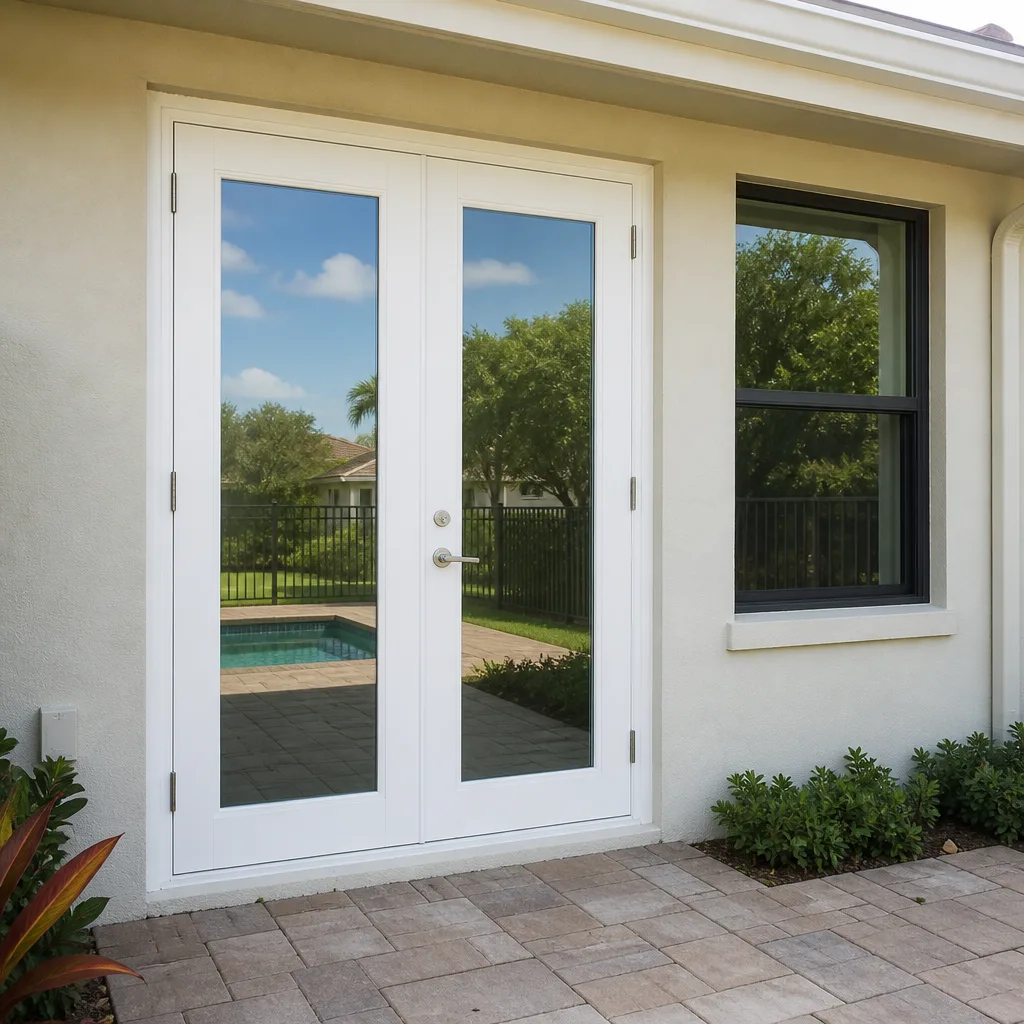 After
After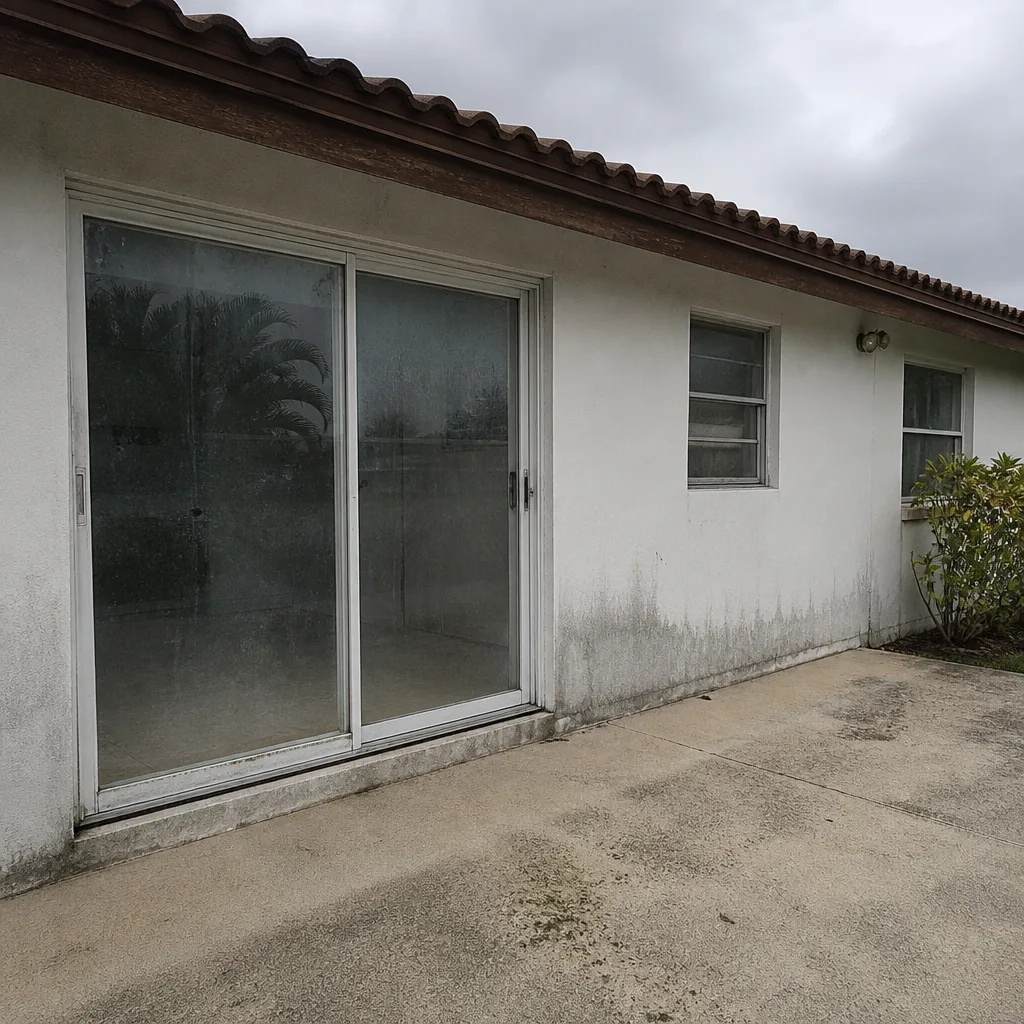 Before
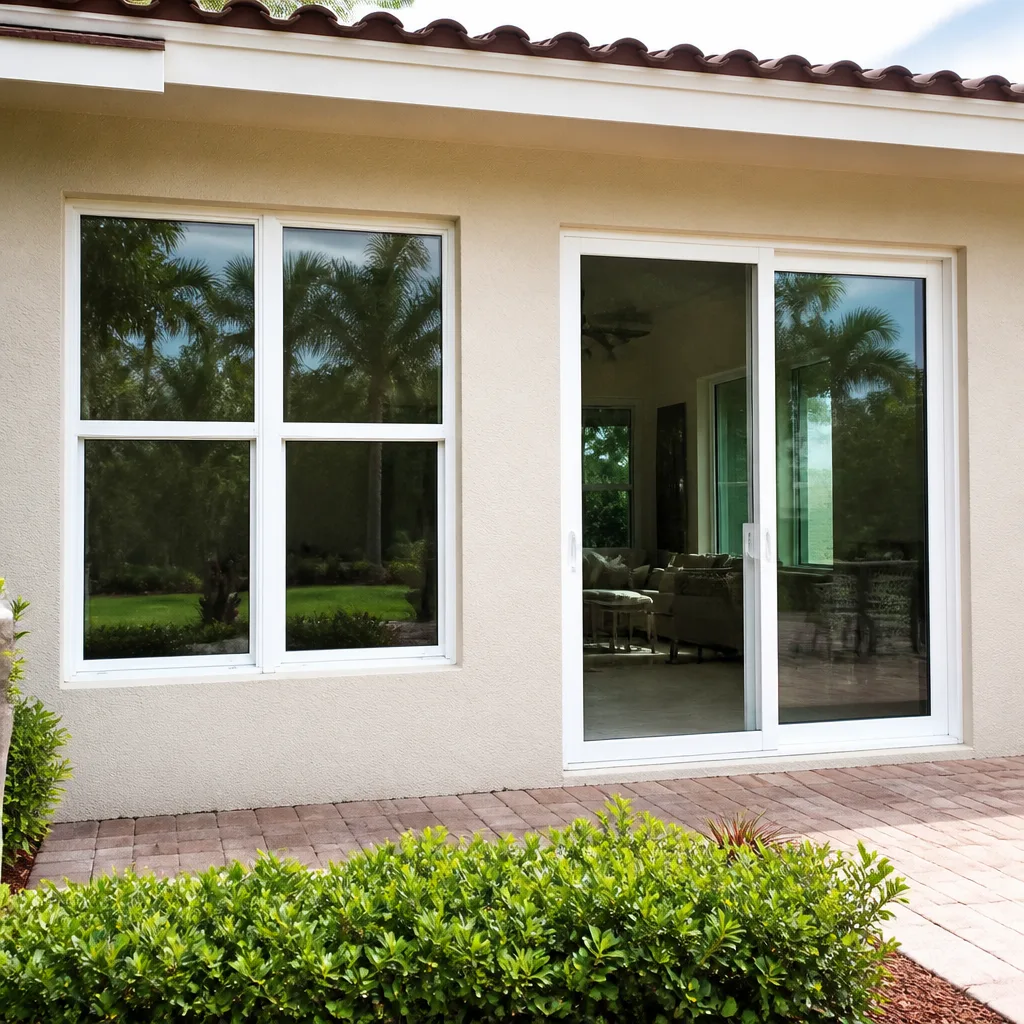 After
After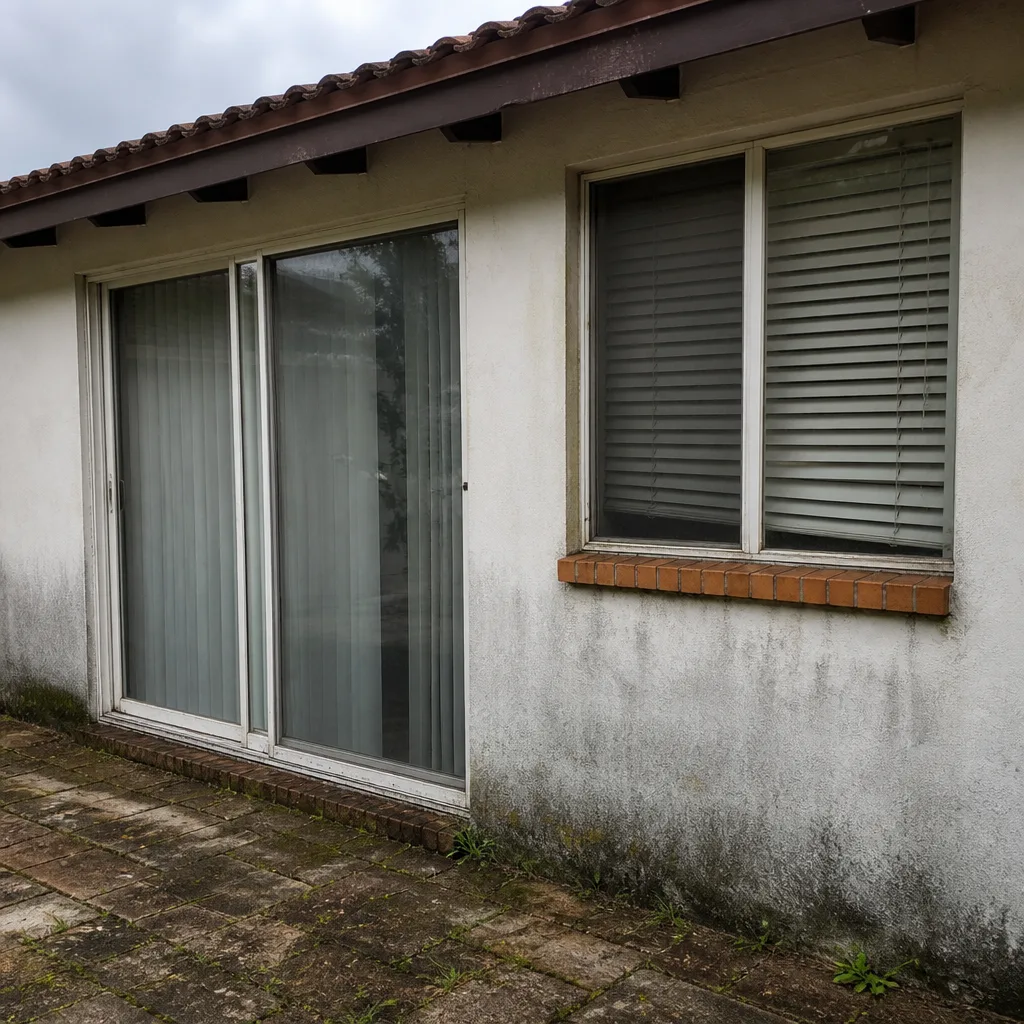 Before
 After
AfterSeasonal Windows & Doors Care for Royal Palm Beach: Year-Round Homeowner’s Guide
Most Royal Palm Beach homeowners do not think about their windows and doors until something goes wrong. A door that binds in August. A window that fogs the first cold morning in January. A slider that grinds after a summer of salt and sand. By then, the fix costs more than it should have. This guide gives you a season-by-season plan to catch problems early, understand what matters in South Florida’s climate, and know exactly when to call someone who does the work right.
Quick Answer
Windows and doors in Royal Palm Beach need seasonal attention because our climate attacks them differently than anywhere else in the country: intense UV, hurricane-driven rain, salt air, and humidity that never really leaves. Most homeowners should do a visual check twice a year (May and November), lubricate tracks and hinges every six months, check weatherstripping before hurricane season, and schedule a professional tune-up every two to three years. If you catch a seal failure or a track issue early, you save hundreds; if you wait, you are usually buying a new unit.
Table of Contents
- Why Royal Palm Beach’s Climate Demands Seasonal Care
- Spring (March to May): Preparing for Hurricane Season
- Summer (June to September): Heat, Humidity, and Storms
- Fall (October to November): Post-Storm Review and Seal Checks
- Winter (December to February): The Short Cool Season
- Materials Matter: How Finishes Perform in Royal Palm Beach
- A 30-Minute Seasonal Inspection Routine
- Common Mistakes to Avoid
- When to Call a Professional
- Frequently Asked Questions
- The Bottom Line
Why Royal Palm Beach’s Climate Demands Seasonal Care
Royal Palm Beach sits about 12 miles inland from the Atlantic, which means our windows and doors take a different beating than coastal properties in Palm Beach or Juno Beach. We get less direct salt spray but more sustained heat, more afternoon thunderstorm cycles, and humidity that sits in the 70 to 90 percent range from April through November. That combination does specific, predictable things to windows and doors.
Aluminum frames expand and contract with temperature swings. Vinyl frames do too, just at a different rate. Wood frames, which many Royal Palm Beach homes still have from the 1980s and 1990s builds in neighborhoods like Madison Green and the original sections of La Mancha, absorb moisture and swell. Seals and gaskets dry out under UV exposure and lose their flexibility. Tracks fill with sand blown in from afternoon storms and yard work. Hinges corrode slowly, even on powder-coated hardware.
What this means in practice: a window or door that operates fine in January may bind in July. A seal that looked intact in March can fail by September. A slider that rolled smoothly last year will start dragging as grit works into the rollers. Seasonal care is not a nice-to-have in our climate. It is the difference between a 15-year window and a 25-year window.
We have been doing this work in South Florida long enough that we can usually tell what month a window started failing just by looking at it. The patterns are that consistent.
Spring (March to May): Preparing for Hurricane Season
Spring is the most important season for window and door care in Royal Palm Beach. Hurricane season starts June 1, and once a storm is in the Atlantic, every glazier in the county is booked for weeks. The time to inspect, repair, and upgrade is March through May, when the weather is dry and the schedule has room.
Your Spring Checklist
- Inspect every impact window and door for a tight seal. Look for gaps where the frame meets the wall, where the sash meets the frame, and where the door meets the threshold. Even a quarter-inch gap changes pressure dynamics during a storm.
- Check weatherstripping and replace what is cracked or flattened. Foam and rubber weatherstripping in South Florida lasts about three to five years before UV and heat break it down. If you can see daylight or feel air movement around a closed door, the weatherstripping is done.
- Test every lock and latch. A lock that does not fully engage compromises both security and the structural seal during wind loads. On sliding doors, check both the primary latch and any secondary locks.
- Clean tracks and lubricate rollers. Use a dry brush or vacuum to remove sand and debris, then apply a silicone-based lubricant (never WD-40, which attracts grit and gums up over time).
- Check for cracks in glass, especially at corners. Corner cracks spread under wind pressure. A small crack in March becomes a shattered pane in a September squall.
If you have non-impact windows and doors, spring is also the time to think hard about upgrading. Royal Palm Beach sits in a high-velocity hurricane zone, and building code requires impact-rated protection for any new or replacement opening. If your windows are 20-plus years old, the seal around the glass has likely degraded, and the frame has lost structural strength, even if it looks fine from the curb.
Summer (June to September): Heat, Humidity, and Storms
Summer in Royal Palm Beach tests everything. Afternoon temperatures sit in the low 90s, humidity rarely drops below 70 percent, and thunderstorms roll through most afternoons from June through August. Your windows and doors are working at full load, and small problems accelerate fast.
Humidity and condensation: A properly sealed double-pane window should never fog between the glass. If you see condensation inside the glass unit, the seal has failed, and the insulating gas has escaped. That window is now doing nothing for your energy bill and will only get worse. This is a replacement situation, not a repair. In our experience, seal failures in Royal Palm Beach are most visible in the early morning after a hot, humid night, when the inside and outside temperatures are most different.
Swelling doors: Wood and even some composite doors will absorb ambient moisture during summer and swell slightly. A door that closed cleanly in April may start catching on the frame by July. This is normal to a point. If the door binds so badly that you have to shoulder it open, the problem is not just humidity, it is a frame that has shifted or a hinge that has loosened. Do not plane the door yourself. You may fix a symptom and create a gap that leaks conditioned air for the next decade.
Storm prep: When a hurricane watch is issued, close and lock every window and door, even interior doors. Locked doors and windows add structural rigidity. If you have shutters, deploy them before the wind picks up. If you are relying on impact glass, make sure every seal is clean and every latch is engaged. Impact glass only works as a system: glass, frame, sealant, and attachment to the structure all have to hold together.
Fall (October to November): Post-Storm Review and Seal Checks
Once hurricane season winds down, do a full after-action review. Even if no storm hit Royal Palm Beach directly, a season of wind and driving rain takes a toll.
- Check for water intrusion. Look for stains, soft drywall, or bubbling paint around window and door frames, especially on east- and south-facing walls that take the brunt of afternoon storms.
- Re-inspect weatherstripping. Fall is the second replacement window for weatherstripping each year. If you replaced it in spring, it is probably still fine. If you skipped spring, do it now.
- Test every window after a heavy rain week. Run your finger along the interior sill and frame. Any moisture, any softness, any staining means water is getting past the seal. Do not wait.
- Lubricate again. It has been six months. Tracks, rollers, hinges, and locks all benefit from a second lubrication cycle.
- Look at the caulk line around frames. Exterior caulk shrinks and cracks under UV. A failing caulk line is the most common entry point for water that causes frame rot and interior mold.
Fall is also the season when homeowners start noticing energy bills. October is still hot enough to run the AC hard, and if your windows are underperforming, the bill tells you. A window with a failed seal or a door with a bad sweep costs real money every month in Royal Palm Beach, where AC season runs nine months of the year.
Winter (December to February): The Short Cool Season
Winter in Royal Palm Beach is mild by any northern standard, but it is still a distinct season that affects glass and frames. Overnight lows in January can reach the 40s in inland pockets near the Loxahatchee border, and the temperature swing between a 45-degree night and a 75-degree afternoon creates stress that shows up as cracks and seal failures.
Fogging is most visible in winter. Those cold mornings when the house is warmer than the outside are exactly when a failed seal announces itself. If you see fogging or condensation between panes, note which windows they are and plan for replacement before the next hurricane season. Waiting through another South Florida summer with a failed seal means higher cooling costs and a window that is structurally compromised.
Operational checks. Winter is the best time to run every window through its full range of motion. Open each window fully, close it fully, lock it, unlock it. If anything sticks, grinds, or will not close square, address it now. In the summer, expansion hides some of these problems. In winter, they show themselves.
Door sweeps and thresholds. The one or two genuinely cool months in Royal Palm Beach will reveal any door that is not sealing at the bottom, because you will feel cold air and see light under it. A worn door sweep costs about $15 in parts and takes a professional half an hour to replace. A door that leaks at the threshold during winter is also leaking conditioned air during the other nine months. It matters all year.
Our TruePane Windows & Doors home team runs more seal inspections in December and January than any other time of year, because homeowners finally see the problem with their own eyes.
Materials Matter: How Finishes Perform in Royal Palm Beach
The material of your windows and doors determines how much seasonal care they need and how long they will last in our specific climate. Most Royal Palm Beach homes fall into one of three categories: original aluminum or wood from the 1980s and 1990s, vinyl replacements from the 2000s, or impact-rated aluminum or vinyl installed after the 2004-2005 hurricane code changes.
Aluminum
Aluminum is common in South Florida because it is strong, handles wind loads well, and does not rot. But aluminum conducts heat, and powder-coated aluminum in Royal Palm Beach takes a beating from UV. Frames become chalky and faded. Tracks pit. Hardware corrodes. Aluminum needs the most attentive track cleaning and lubrication of any material, especially on ocean-adjacent streets in the western sections of town where standing water and irrigation overspray add minerals and salt to the mix.
Vinyl
Vinyl is the most popular replacement material in Royal Palm Beach, and for good reason: it does not corrode, it insulates better than aluminum, and it holds up well to humidity. But not all vinyl is equal. Budget vinyl frames flex in our summer heat, which causes seal failures and sash warping. Quality vinyl, from manufacturers like Andersen and Pella, is engineered with reinforcement that keeps the frame stable through 90-degree heat and 45-degree cold snaps. When we quote replacements, we show homeowners the difference between a reinforced and non-reinforced frame on paper. It is the difference between a 10-year window and a 25-year window.
Wood and Wood-Clad
Wood windows are beautiful and were common in Royal Palm Beach’s custom homes built in the 1980s and 1990s. They also require the most maintenance in our climate. Humidity swells wood. UV bakes finish. Termites love the moisture trapped in a poorly sealed frame. If you have wood windows and plan to stay in your home, budget for exterior refinishing every two to three years and replacement of any frame section that stays wet. If you love the look of wood but not the maintenance, a clad product that pairs a wood interior with an aluminum or vinyl exterior is worth a look.
Impact-Rated Systems
The building code in Royal Palm Beach requires impact-rated openings for new construction and most major renovations. Impact windows and doors pair laminated glass with reinforced frames and heavy-duty hardware. They do not need more care than standard windows, but the stakes are higher if they fail. A cracked impact window has lost its rating. A corroded frame on an impact door will not hold the door in place during a Category 3. If you have impact windows and doors, the spring and fall inspections matter more, not less.
A 30-Minute Seasonal Inspection Routine
You do not need tools or experience to catch most of the problems that lead to expensive repairs. A structured walkthrough twice a year catches 80 percent of issues early. Here is the routine we teach homeowners in Royal Palm Beach.
- Start outside, walking the perimeter. Look at the caulk line around every window and door frame. Look for cracks, gaps, peeling, or missing sections. Caulk is the first line of defense against water, and in our climate it fails fast.
- Run your hand along the bottom rail of every window and door. Feel for soft wood, rust, or bubbling paint. These are water damage indicators that you cannot see from ten feet away.
- Open and close every window. All the way open, all the way closed. Lock it. Unlock it. Repeat. Note anything that sticks, grinds, or does not close square.
- Inspect glass surfaces at an angle. Tilt your head and look across the glass, not straight through it. Seal failures and stress cracks show up as distortion when viewed at an angle, not head-on.
- Check every door threshold. Close the door and look for daylight underneath. Lift the door by the handle slightly; movement means hinge wear. Run your finger along the sweep at the bottom; if it is hard, cracked, or missing sections, replace it.
- Test every lock and latch. A lock that does not fully seat is a security problem and a wind-load problem. On sliders, lift the panel and try to pull it out of the track. If it moves, the anti-lift mechanism is not doing its job.
- Look at interior frames for stains or swelling. Water that gets past the exterior often shows up inside as discoloration around the frame, especially at corners and under sills.
That is the whole routine. Thirty minutes, twice a year. In our experience, homeowners who do this consistently get an extra five to eight years out of their windows and doors compared to those who wait for something to break.
Common Mistakes to Avoid
- Using WD-40 on tracks and rollers. WD-40 is a solvent, not a lubricant. It cleans temporarily, then attracts sand and grime and leaves a sticky residue that makes the problem worse. Use a silicone-based lubricant, which repels rather than attracts.
- Painting over caulk instead of replacing it. A cracked caulk line still leaks under the paint. Paint hides the problem and makes it harder to spot later. Remove old caulk, clean the joint, and recaulk with a sealant rated for exterior use in high-UV climates.
- Planing a door that swells in summer. If a door binds in July but closes fine in January, the frame is the issue, not the door. Planing the door fixes a symptom and creates a permanent gap that will leak air in winter. Get the frame checked first.
- Ignoring a fogged window because it is “just cosmetic.” A fogged double-pane window has lost its insulating gas. It is not just ugly; it is costing you money on every cooling bill, and it is weaker than an intact unit. Replace it before hurricane season.
- Waiting until June to think about impact windows. Once hurricane season starts, lead times for custom impact windows and doors in Royal Palm Beach run six to ten weeks, and installers are booked solid. The time to upgrade is February through April.
- Assuming a warranty covers seal failures. Most manufacturer warranties for seal failures are prorated after the first five to ten years and do not cover labor. If you do not know exactly what your windows’ warranty covers, find out before you have a problem, not after.
- Skipping spring lubrication because the doors still slide fine. Tracks and rollers in Royal Palm Beach collect sand and grit constantly. By the time a slider starts dragging, the rollers are usually damaged. Lubricating twice a year keeps rollers alive for years longer.
When to Call a Professional
Some jobs are right for a homeowner with a screwdriver. Others are not. Here is our honest list of when to pick up the phone.
Call a professional if you see fogging or condensation between glass panes. That is a seal failure, and it cannot be repaired in the field; the unit needs replacement. Call if a window or door will not close square, because the frame has likely shifted and forcing it will damage the hardware. Call if you find water staining around a frame, because the entry point may be hidden behind the wall. Call if any impact-rated window or door has a crack, bent frame, or hardware that will not fully engage, because the rating is compromised. And call if you are considering replacing multiple windows, because the cost difference between piecemeal replacement and a coordinated project is significant.
TruePane Windows & Doors offers free estimates in Royal Palm Beach. Call (386) 251-6745 and a live person will answer.
Frequently Asked Questions
You should do a basic visual inspection and lubrication twice a year, in spring before hurricane season and again in fall. A professional tune-up every two to three years is sufficient for most homes, though older aluminum windows or wood windows facing south or east may need annual attention. our maintenance check covers the full lubrication, seal inspection, and hardware check most Royal Palm Beach homes need. Call (386) 251-6745 to schedule.
Replacement windows in Royal Palm Beach typically run $600 to $1,400 per opening for impact-rated vinyl, and $1,000 to $2,500 for impact-rated aluminum or higher-end lines from manufacturers like Andersen or Pella. The exact price depends on size, material, glass package, and whether the existing frame can be reused. We quote every job on paper, with manufacturer lines listed side by side, so you see exactly what you are paying for. Estimates are free.
In Royal Palm Beach’s heat and humidity, quality vinyl windows with proper installation last 20 to 25 years. Aluminum windows last 25 to 35 years if maintained, but hardware and seals typically need attention every 8 to 10 years. Wood windows last 15 to 20 years with diligent maintenance, and less without it. Installation quality is as important as the product itself; a good window installed poorly will fail faster than a mid-grade window installed right.
Current building code in Royal Palm Beach requires impact-rated openings for new construction and substantial remodels. Existing homes are not required to upgrade, but any replacement window or door must meet current wind-load requirements. If you have non-impact windows and plan to stay in your home, upgrading to impact-rated units before hurricane season is the single biggest improvement you can make to both safety and insurance costs. Allow six to ten weeks for custom orders during peak season.
Winter and early spring, from December through April, are the best months for window replacement in Royal Palm Beach. The weather is dry, installers are less booked than during hurricane season, and you complete the work before the next storm season starts. We recommend homeowners start the quoting process in January or February if they want new windows installed before June 1.
A fogged double-pane window needs replacement, not repair. The moisture between the panes means the seal has failed and the insulating gas has escaped. There is no field repair that restores a failed seal. The good news is that replacing a fogged window in Royal Palm Beach before summer means lower cooling costs and a structurally sound opening before hurricane season. Call (386) 251-6745 for a free estimate on replacing fogged windows, and ask about our Done Right Promise.
The Bottom Line
Windows and doors in Royal Palm Beach work hard all year, and the climate here punishes neglect faster than almost anywhere else in the country. A twice-a-year inspection routine, regular cleaning and lubrication, prompt attention to seal failures, and spring preparation before hurricane season are the four habits that add years to the life of your windows and doors. When the work matters, get it done by someone who stands behind it, in writing. That is the standard we have held at TruePane Windows & Doors since 2008 of serving South Florida. If the pane is not true, the job is not done. Call (386) 251-6745 for a free estimate, and remember: seniors and veterans always save 5 percent.
Written by Dale Kessler, Owner at TruePane Windows & Doors, serving Royal Palm Beach since 2008.
Six Reasons Homeowners Choose TruePane Windows & Doors
Impact systems engineered to design pressures up to +/-100, matched to your wind zone - your openings hold when the storm arrives.
Low-E insulated impact glass from our manufacturer lines commonly cuts monthly cooling bills 20-30%.
Laminated impact glass shuts out up to 40% of outside noise - traffic, neighbors, weather.
Monitoring services run $30-90 a month. Laminated impact glass resists forced entry around the clock, with no subscription.
Florida homeowners average around 25% savings on the windstorm portion of their policy after protecting every opening - some homes qualify for more.
A full impact package upgrades curb appeal, buyer confidence and appraised value in one project.