
Last updated August 25, 2026
Free in-home measure and quote - PGT, CGI and CWS impact lines compared on your actual openings, style by style
Sliding glass doors
Impact garage doorsPGTCGI
 Before
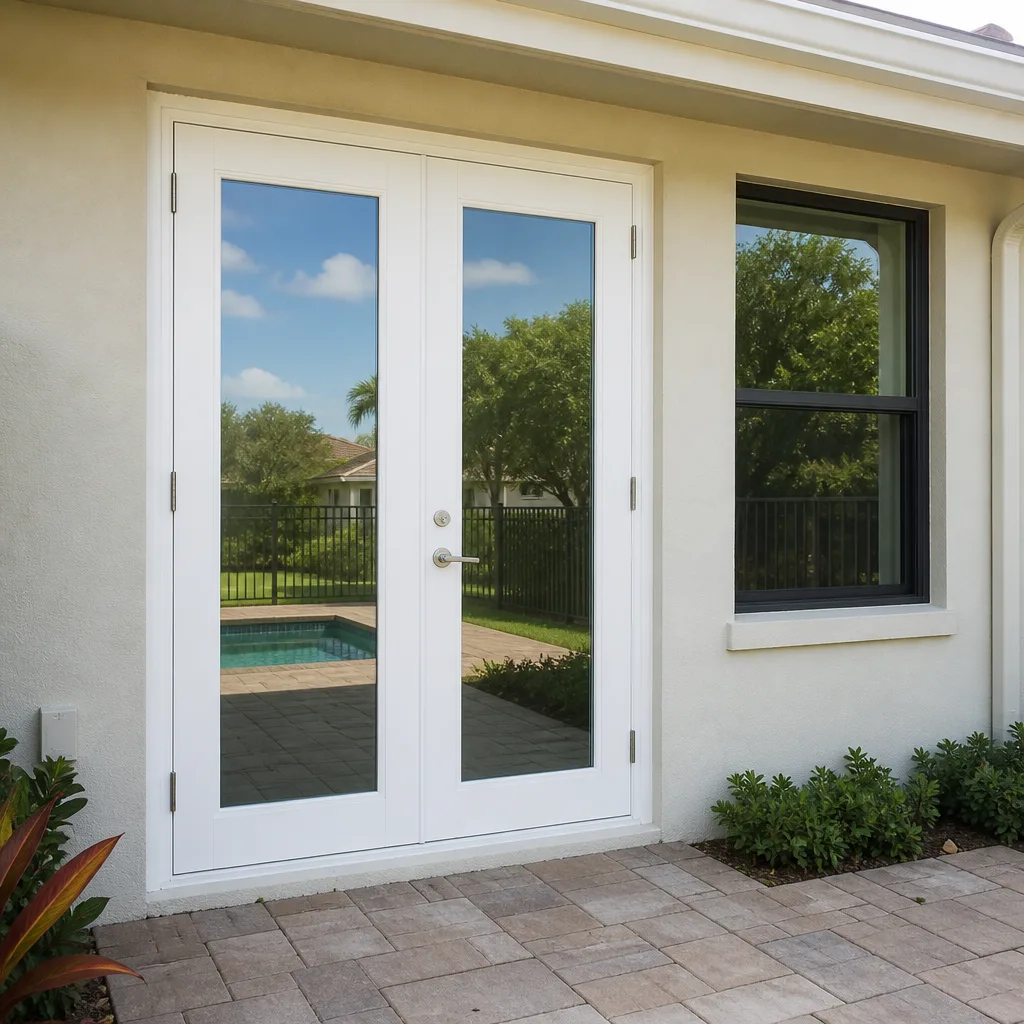 After
After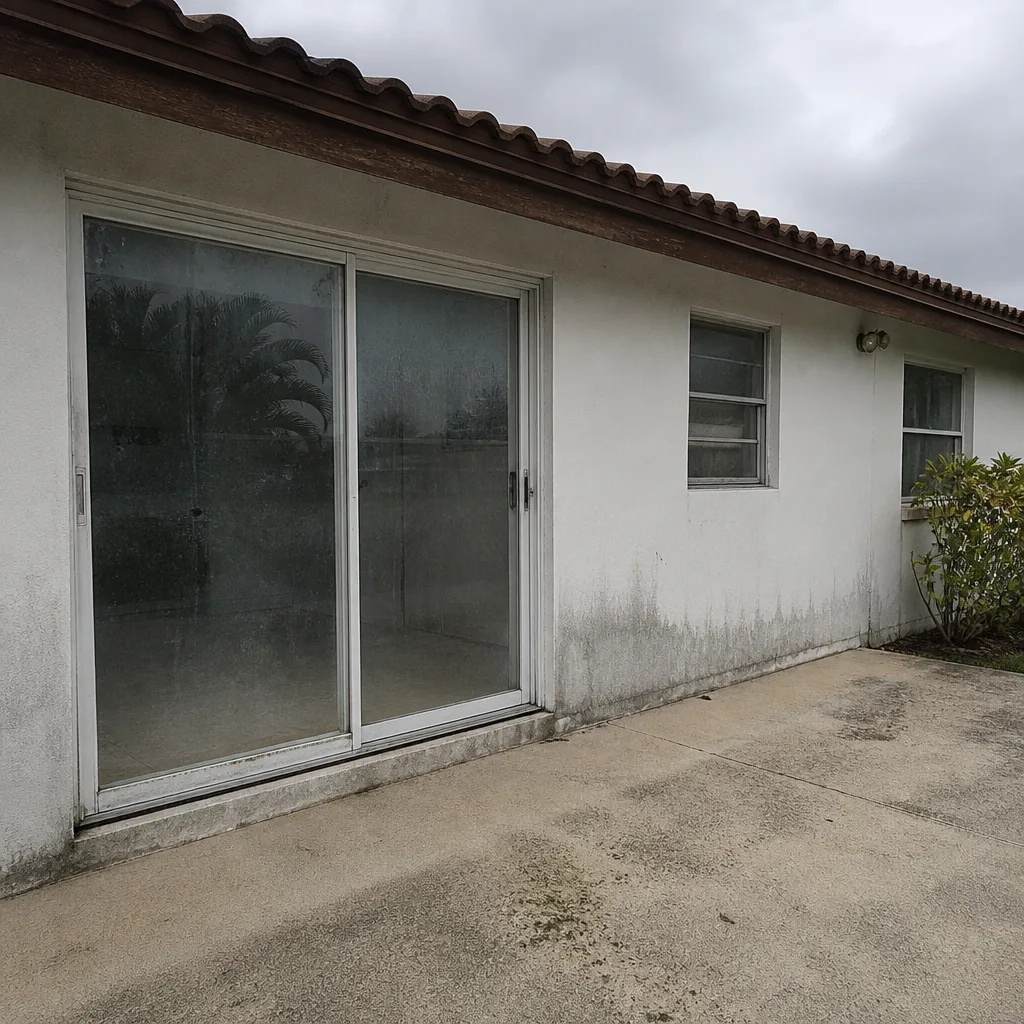 Before
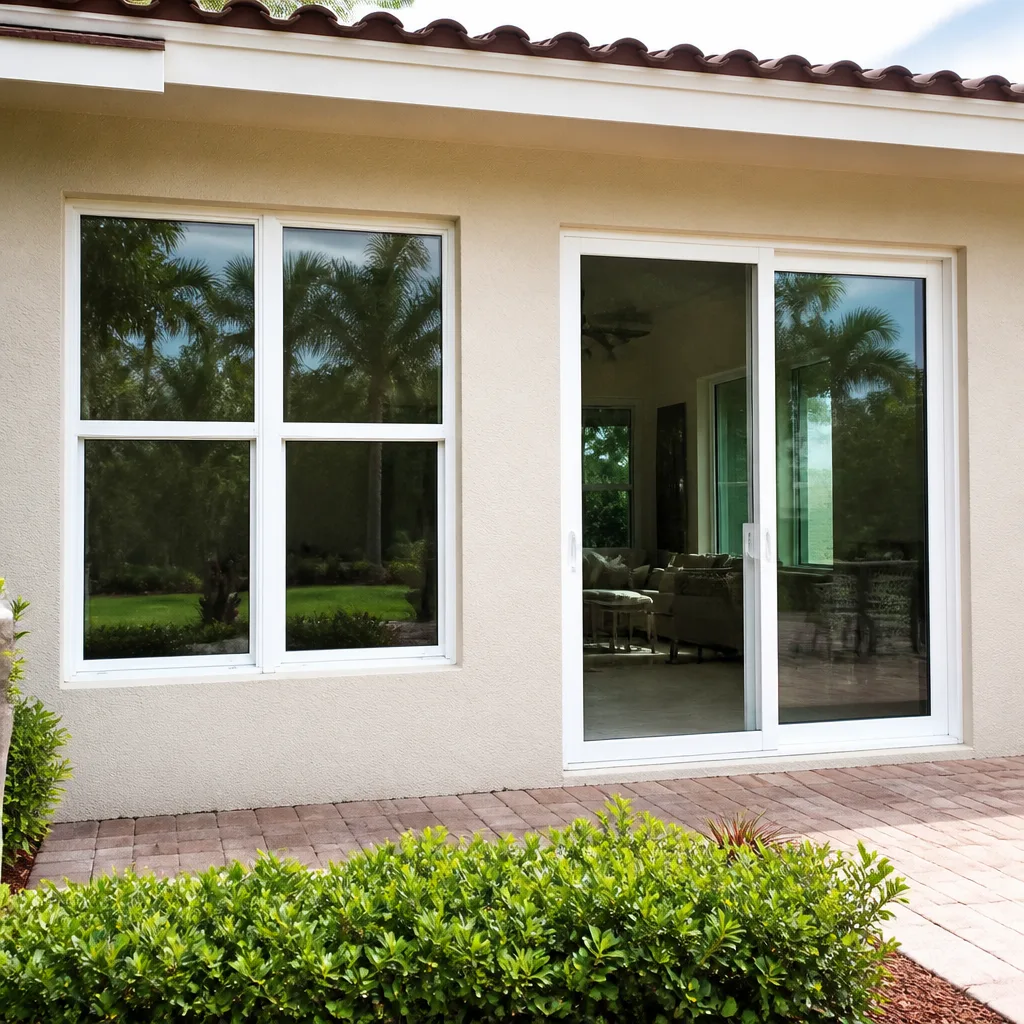 After
After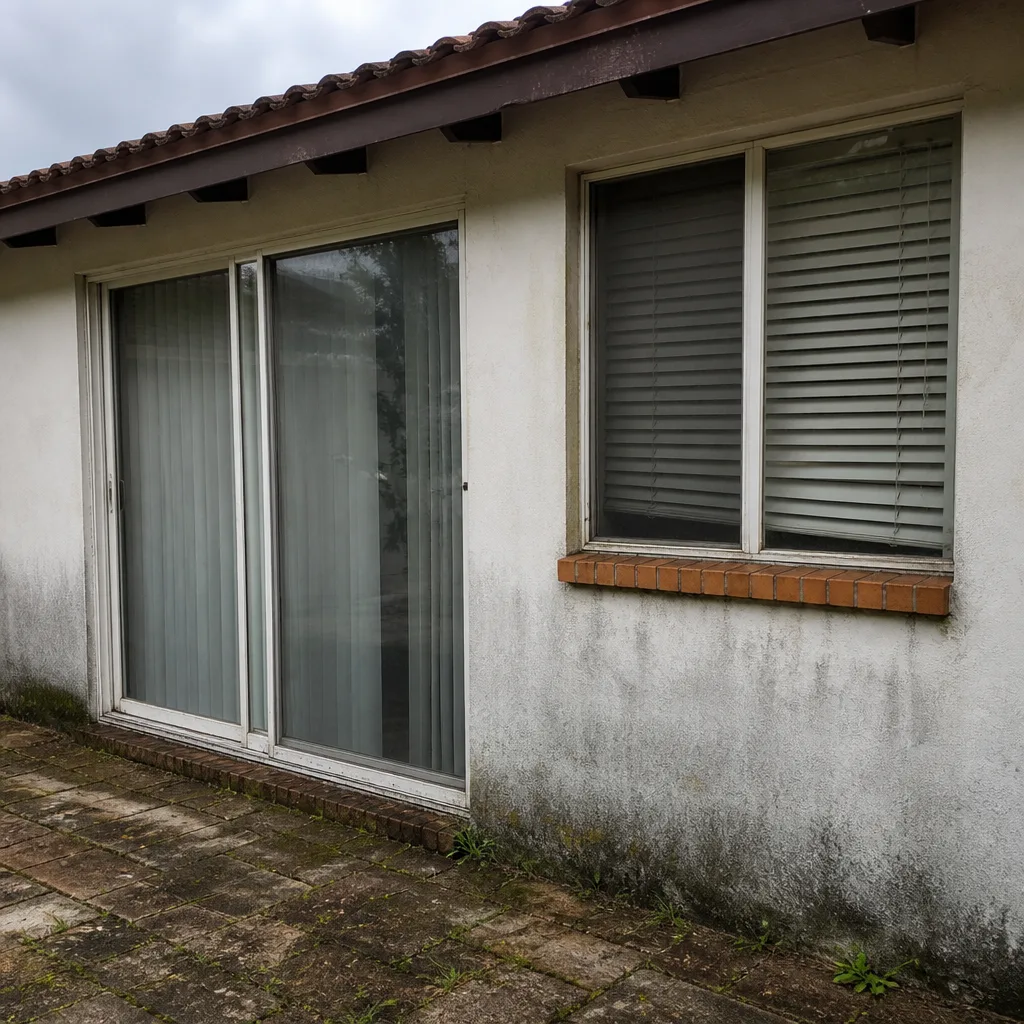 Before
 After
AfterWindows & Doors Permits, Codes & Inspections in FL: What You Need to Know
Most Florida homeowners don’t realize their window replacement project can legally require three separate permits, two inspections, and a specific product approval number that has to match state wind-load charts before the first pane is ever ordered. This isn’t bureaucratic theater. It’s the difference between a window that holds its seal through a Category 3 storm and one that separates from its frame when the pressure differential hits 140 miles per hour. In Royal Palm Beach, a village with its own building department and some of the strictest glazing requirements in Palm Beach County, the rules are layered, specific, and unforgiving if you get them wrong. This guide walks you through everything: what triggers a permit, which codes apply in our area, what inspectors actually check during each phase, and how to avoid the mistakes that have cost homeowners here thousands in rework and denied insurance claims.
Quick Answer
In Florida, replacing windows, exterior doors, or sliding glass doors requires a building permit in virtually every municipality, including Royal Palm Beach, with a few narrowly defined exceptions for same-size, non-structural single-unit swaps in areas outside the High Velocity Hurricane Zone. The work must comply with the Florida Building Code 8th Edition (2023), which mandates impact-rated or protected openings in wind-borne debris regions, and requires at least two inspections: a pre-installation inspection of the rough opening and a final inspection after installation. In Royal Palm Beach specifically, any change to opening dimensions, header spans, or structural framing also triggers plan review before installation can begin.
Table of Contents
- The Florida Building Code: What Applies to Windows and Doors
- Permit Requirements in Royal Palm Beach and the Surrounding Area
- Product Approvals and Wind Loads: What You’re Actually Proving
- Impact Ratings vs. Non-Impact: What the Code Really Requires
- The Inspection Process: What Happens at Each Step
- Permit Costs, Timelines, and Who Pulls the Permit
- Common Mistakes to Avoid
- When to Call a Professional
- Frequently Asked Questions
- The Bottom Line
The Florida Building Code: What Applies to Windows and Doors
Florida operates under a single statewide code: the Florida Building Code, currently in its 8th Edition (2023), with the 9th Edition projected for adoption and an effective date of December 31, 2026. Local jurisdictions may amend certain administrative provisions but cannot weaken the code’s structural or wind provisions. That’s important. It means the requirements you encounter in Royal Palm Beach will be materially the same as what a homeowner sees in Tampa or Jacksonville, but with local administrative differences in fees, turnaround times, and inspection scheduling.
For windows and exterior doors, the relevant chapters are Chapter 16 (structural design), Chapter 17 (special inspections), and the residential provisions in Chapter 6. What this boils down to in plain language: every exterior opening in a home built after March 1, 2002, must be either impact-resistant or protected by an approved impact-rated covering. The code doesn’t care whether you prefer casement or double-hung. It cares whether the product has a Florida Product Approval number that corresponds to the size, shape, and design pressure requirements of your specific elevation on your specific lot.
One thing we’ve seen repeatedly in Royal Palm Beach: homeowners who assume a “hurricane-rated” label from a big-box store means the product meets code. It doesn’t, necessarily. The code operates on design pressure ratings, measured in pounds per square foot (psf), calculated using wind speed maps, exposure category, and the building’s height above grade. A window rated for 50 psf may be perfectly legal in an inland subdivision but non-compliant on a canal lot three streets over. The exact same product, two different answers.
Permit Requirements in Royal Palm Beach and the Surrounding Area
Royal Palm Beach is a municipality with its own building division, not an unincorporated area governed solely by Palm Beach County. That matters because it means permit applications go through the village, inspections are scheduled with village inspectors, and local amendments apply. If you replace one window with another of the same size, same opening, and no structural changes, you may qualify for a residential window or door replacement permit, which is more streamlined than a full building permit. But “may” is doing some work there. The village requires the licensed contractor to submit a signed product approval, a permit application with the correct valuation, and notice of commencement documentation for jobs exceeding a certain dollar threshold.
What triggers a permit in Royal Palm Beach:
- Any replacement of an exterior door - including sliding glass doors, front entry doors, and garage pedestrian doors.
- Any window replacement that changes the opening size - even by an inch.
- Any retrofit or replacement where the fastening method changes - for example, switching from a pocket installation to a full-frame tear-out.
- Any work affecting structural headers, sill plates, or load-bearing wall framing.
- Enclosing a porch, patio, or sunroom with new glazing - this often triggers additional energy code compliance under the Florida Energy Conservation Code.
What typically does not require a permit: cosmetic repairs like replacing glass in a door with the same glazing, hardware swaps that don’t alter the opening, and screen re-screening. But those exceptions are narrow. Glass replacement in an impact-rated window or door, for example, often requires the glazing to match the original product approval, which is not the same as “the glass fits.”
The village also enforces a specific detail many homeowners miss: when a window or door is replaced within a certain distance of a property line, fire separation ratings kick in. In Royal Palm Beach’s older neighborhoods, where homes sit close to lot lines, a new window on the side elevation can require tempered glass or a restricted opening size to meet fire code. Again, applicable on one house and not the one across the street.
Product Approvals and Wind Loads: What You’re Actually Proving
Every manufacturer we work with has to maintain a current Florida Building Code Product Approval for the specific product line being installed. The Florida Department of Business and Professional Regulation maintains a searchable database of these approvals, and Royal Palm Beach inspectors verify against it. The approval is more than a piece of paper. It lists the approved sizes, the maximum design pressure ratings, the approved installation methods, and the anchoring requirements for wood, concrete block, and metal stud substrates.
Here’s the step-by-step of what has to happen for a compliant installation in Royal Palm Beach:
- Design pressure calculation. The licensed contractor or a Florida-licensed engineer calculates the required design pressure for each opening, based on the home’s wind speed zone, exposure category, and roofline configuration. In Royal Palm Beach, most residential lots fall within a wind speed design value between 160 and 180 mph depending on the exact address and risk category.
- Product selection. The chosen window or door must have a Florida Product Approval that covers the opening’s size and meets or exceeds the required design pressure.
- Documentation submitted with the permit. The product approval sheet, the design pressure calculations, and the manufacturer’s installation instructions all go to the village for review.
- Anchoring per the approval. The installer must anchor the window or door exactly as specified in the approved installation method. Substituting a longer screw is not fine. It voids the approval.
- Field verification. During inspection, the inspector checks the product label against the approval, verifies the anchoring method, and confirms the flashing and sealing details match the approved method.
What we tell homeowners in Royal Palm Beach: ask your contractor for the Florida Product Approval number before work starts. If they can’t produce it, they haven’t ordered a code-compliant product. This is not a niche detail. It is the thing that determines whether your insurance company pays a future claim.
Impact Ratings vs. Non-Impact: What the Code Really Requires
Florida’s building code draws a line through the state: the High Velocity Hurricane Zone (HVHZ), which covers Miami-Dade and Broward counties, and the rest of the state, which follows the wind-borne debris region provisions in the main code. Royal Palm Beach sits outside the HVHZ, but it’s still in a wind-borne debris region, which means the code requires one of three things for any exterior glazed opening:
Option one: an impact-resistant product that has passed large-missile impact testing. These windows and doors carry a Notice of Acceptance or Florida Product Approval that specifies the testing standard, usually ASTM E1996 and E1886. Impact products are not simply laminated glass. The entire assembly - frame, glass, anchoring hardware - has to survive the test as a unit.
Option two: a non-impact product protected by an approved storm shutter or panel system. The shutters themselves must carry a product approval, and they must be installed so that the entire opening is protected. This is where many Royal Palm Beach homes diverge in compliance: the homeowner has shutters, but they’ve never been tested or approved for the pressure ratings on a specific elevation.
Option three: for homes built before the 2002 Florida Building Code with specific grandfathering, the code may allow limited non-impact replacement if the insurance carrier accepts it, but this is increasingly rare and insurance companies have tightened underwriting standards significantly since the 2022 special session on property insurance reform.
A detail worth knowing: “impact glass” and “laminated glass” are not synonyms. Laminated glass is a component. Impact-rated windows and doors are complete assemblies. We’ve seen homeowners in the Village of Royal Palm Beach buy a beautiful door with laminated glass, submit it for permitting, and find out the frame was never tested or approved for wind-borne debris. The door had to go back.
The Inspection Process: What Happens at Each Step
Inspections in Royal Palm Beach follow a sequence that’s standard across Palm Beach County but specific to the village’s processes. Two inspections are typical for a straightforward replacement project. More complex work, like enlarging an opening or adding a new door where none existed, may require three or more, including a lintel inspection before the header is covered.
Here’s the sequence and what the inspector is actually looking at:
- Pre-installation inspection (rough opening). The old window or door is out. The rough opening is visible. The inspector verifies the header size and condition, the anchor substrate, any water damage to the framing, and that the opening dimensions match the permit documents. If there’s hidden rot or termite damage in the opening, this is where it surfaces. Repairs happen now, before the new unit goes in.
- Lintel or structural inspection (if applicable). When header changes or new openings are involved, the inspector checks the temporary shoring and the installed lintel before any finish materials conceal it.
- Final inspection. The window or door is installed, flashed, sealed, and trimmed. The inspector checks the product label against the approval, looks at the anchoring pattern, verifies the flashing details match the approved installation method, and confirms the required fall protection or tempered glazing where applicable. A common final-inspection failure in Royal Palm Beach: missing or incorrect flashing on the sill pan, which the code specifically addresses for water intrusion.
Once the final inspection passes, the village updates the permit record. But the homeowner’s job is not done. The passing inspection and the permit closure are two separate administrative steps. A permit left open - passed inspection but never formally closed out - causes problems at resale and with insurance carriers who run permit searches. Confirm the permit is closed, not just inspected.
Permit Costs, Timelines, and Who Pulls the Permit
Permit fees in Royal Palm Beach run on a valuation-based schedule, plus flat fees for inspections and recordkeeping. For a typical window or door replacement project, the permit fee is usually in the range of $120 to $400 per opening, depending on the declared job value. For a whole-house window replacement, the permit cost often lands between $800 and $2,500. These are administrative costs and do not include the actual installation labor or materials.
Who pulls the permit matters more than most homeowners realize. Florida law requires the contractor performing the work to pull the permit in their name, unless the homeowner is acting as an owner-builder. Pulling the permit as an owner-builder is legal for a homeowner living in the home, but it transfers liability to the homeowner and limits certain insurance coverages if something goes wrong later. Most reputable contractors in Royal Palm Beach pull the permit in their name, which means their license number, not yours, is attached to the work record.
As for timelines: a straightforward window replacement permit in Royal Palm Beach is often issued over the counter or within a few business days when the application is complete. A complete application includes the product approvals, the design pressure calculations, the signed application, and the notice of commencement. Missing any one of those is the most common cause of permit delays. Plan review for projects that involve structural changes typically takes two to four weeks in Palm Beach County municipalities, though Royal Palm Beach’s building division typically moves faster than the county’s unincorporated review queue.
We’ve seen permits in Royal Palm Beach issued same-day and we’ve seen them stall for a month because the product approval didn’t match the opening size. The difference is always the same: how complete and accurate the paperwork was on day one.
Common Mistakes to Avoid
- Skipping the permit entirely. Some homeowners believe replacing like-for-like means no permit. In Royal Palm Beach, even like-for-like window replacements require a permit. Unpermitted work surfaces at resale, during insurance claims, and when the village cites the property. The fix is almost always more expensive than the permit would have been.
- Buying product before checking the Florida Product Approval. A window can look beautiful, fit the opening, and still be non-compliant if its product approval doesn’t cover that size and wind load combination for your exact elevation. We’ve seen homeowners in Royal Palm Beach eat a full product cost because they ordered before verifying.
- Assuming “impact-rated” means “installed correctly.” The product approval specifies the exact anchoring and flashing method. Install it differently and the approval is void. The inspector will catch it, or worse, the storm will.
- Confusing the inspection pass with permit closure. A final inspection can pass and the permit still remain open administratively. Verify closure. It takes a phone call.
- Ignoring the energy code. Florida’s Energy Conservation Code sets minimum U-factor and Solar Heat Gain Coefficient requirements by climate zone. Royal Palm Beach is in Energy Code Zone 1, which has specific requirements for fenestration. A product can pass structural review and fail energy review.
- Not confirming fire separation distance for side-yard windows. In Royal Palm Beach’s older neighborhoods with close lot lines, a window on the side elevation may need tempered glass or an opening limiter to meet fire code. Miss this and the final inspection fails.
- Hiring a contractor who says “we handle everything” but won’t show you the permit number. Once work starts, the permit has to be posted. If there’s no permit number, there’s no permit. In Florida, a contractor performing work without pulling a permit is committing a licensing violation, and the homeowner left holding unpermitted work has limited recourse.
When to Call a Professional
You need a licensed contractor in these situations: any installation involving a new opening or a changed opening size, any work on load-bearing walls, any project involving impact products where the product approval and anchoring method have to align, any multi-window replacement where design pressures vary by elevation, and any time the existing opening shows signs of water damage, rot, or termite damage that has to be repaired before installation. Glass replacement in an impact-rated window or door also calls for a professional, because the replacement glazing has to match the original product approval to remain code-compliant. This isn’t work to negotiate with a handyman. A handyman cannot legally pull a permit in Florida. TruePane Windows & Doors offers free estimates in Royal Palm Beach, and we walk each homeowner through the permit, the product approval, and the inspection sequence before any work is scheduled. Call (386) 251-6745 for a written, line-item estimate.
Frequently Asked Questions
Yes. Royal Palm Beach requires a permit for virtually all window and exterior door replacements, including like-for-like swaps. The only exceptions are narrow and involve cosmetic work that doesn’t touch the glazing or the opening. Call (386) 251-6745 and we’ll confirm what applies to your specific project.
Permit fees in Royal Palm Beach are valuation-based and typically run $120 to $400 per opening for a straightforward replacement, with whole-house projects often totaling $800 to $2,500 in permit costs alone. These are village fees, not markups from a contractor.
For a complete application with a straightforward window or door replacement, Royal Palm Beach’s building division often issues permits within a few business days. Structural changes requiring plan review typically add two to four weeks. Incomplete applications cause most delays.
A Florida Product Approval is a state-recognized certification that a specific window or door model, in specific sizes, with a specific anchoring method, meets the wind-load requirements of the Florida Building Code. Without a matching approval, the product cannot be legally installed in Royal Palm Beach and the vendor cannot pull a compliant permit.
Florida law allows an owner-builder to perform work on their own residence, but the homeowner assumes full liability for code compliance, permitting, and any latent defects. For impact-rated products, the installation has to match the approved anchoring method exactly or the product approval is voided. Most homeowners should use a licensed contractor.
Possibly. Insurance carriers routinely run permit searches after major claims, during underwriting reviews, and at policy renewal where prior claims exist. Unpermitted window work can result in a denied claim and a non-renewal notice. The short version: pull the permit.
The Bottom Line
Window and door work in Florida is regulated for one reason: the wind. The Florida Building Code, the product approval system, the design pressure calculations, and the inspection process all exist so that an opening in your wall doesn’t become the point where your home fails in a storm. In Royal Palm Beach, the process is thorough but navigable when the contractor knows the local rules and the product documentation is complete before anyone schedules an inspection. Permits are not optional. Product approvals are not interchangeable. Inspections are not cursory. And the homeowner’s job is to insist, in writing, on every one of these protections. We’ve helped homeowners in Royal Palm Beach navigate this process since 2008, and the most important advice we can give is the simplest: ask for the permit number, ask for the product approval, and don’t accept “we’ll handle it” as a substitute for either.
If you’re planning window or door work in Royal Palm Beach or anywhere in Palm Beach County, we’re a local TruePane Windows & Doors home resource. We walk every homeowner through the permit and inspection process before work starts, and our quotes cover everything in writing. Call (386) 251-6745 for a free estimate and a straight answer on what your project actually requires.
Written by Dale Kessler, Owner at TruePane Windows & Doors, serving Royal Palm Beach since 2008.
Six Reasons Homeowners Choose TruePane Windows & Doors
Impact systems engineered to design pressures up to +/-100, matched to your wind zone - your openings hold when the storm arrives.
Low-E insulated impact glass from our manufacturer lines commonly cuts monthly cooling bills 20-30%.
Laminated impact glass shuts out up to 40% of outside noise - traffic, neighbors, weather.
Monitoring services run $30-90 a month. Laminated impact glass resists forced entry around the clock, with no subscription.
Florida homeowners average around 25% savings on the windstorm portion of their policy after protecting every opening - some homes qualify for more.
A full impact package upgrades curb appeal, buyer confidence and appraised value in one project.